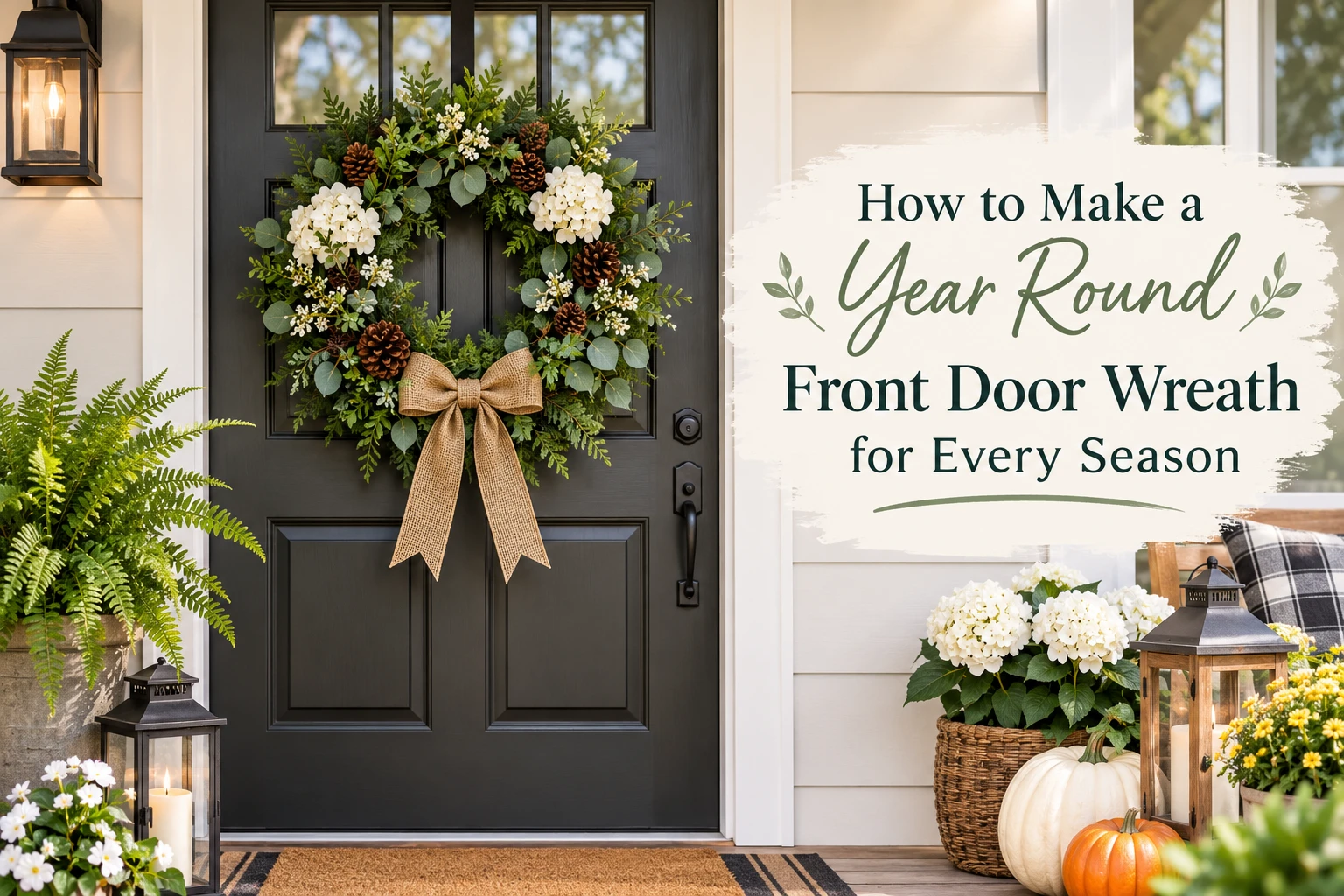
How to Make a Year Round Front Door Wreath for Every Season
A beautiful front door wreath does not have to be replaced every time the seasons change. With a simple grapevine base, realistic greenery, and a few removable decorations, you can create one wreath that looks welcoming in spring, fresh in summer, cozy in fall, and elegant throughout winter.
The secret is to build a neutral everyday wreath first. Keep the main greenery in place and change only the flowers, ribbon, or small decorative accents when you want a seasonal refresh. This makes the project easier for beginners and helps you get more use out of your craft supplies.
In this tutorial, you will learn how to make a year round front door wreath from scratch, which materials to choose, how to attach decorations, and how to style the same wreath for all four seasons.
Materials You Need to Make a Year Round Front Door Wreath
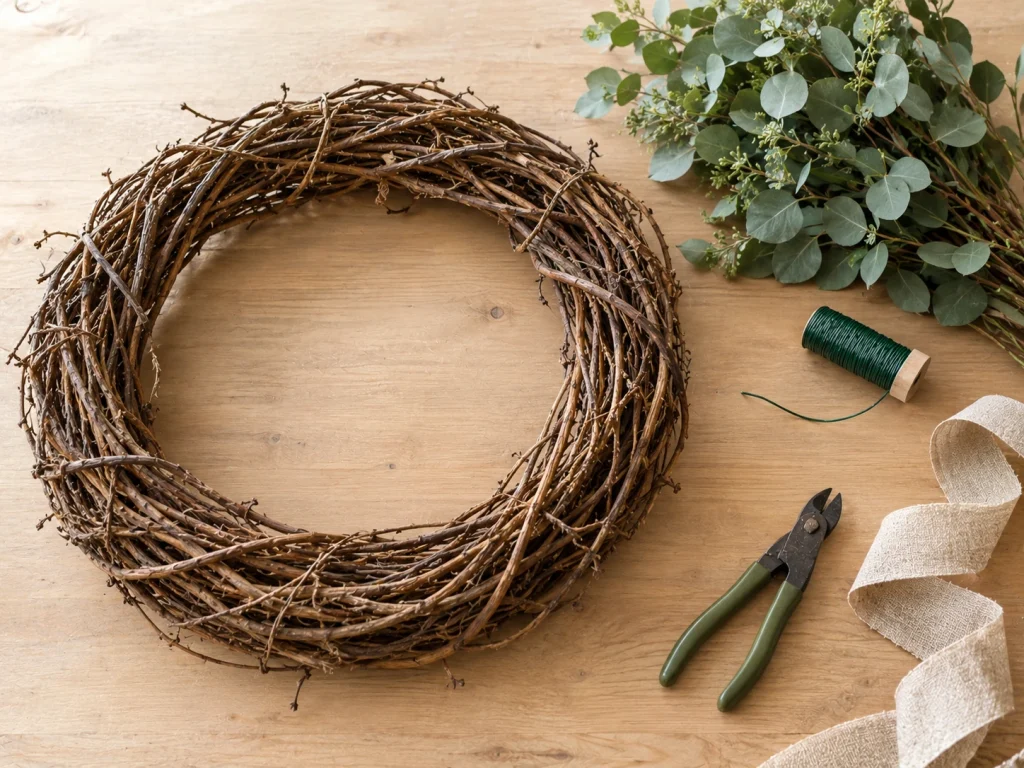
For this project, a grapevine wreath form and faux eucalyptus are a practical starting point. The natural branches provide texture, while the greenery creates a finished look without requiring flowers or decorations around the entire ring.
Supplies
• One 14 to 18 inch grapevine wreath form
• Two or three bunches of realistic faux eucalyptus or mixed greenery
• A few small faux flower stems for filling gaps
• Floral wire or reusable twist ties
• Wire cutters suitable for floral wire
• Neutral ribbon, such as linen, cotton, or wired ribbon
• Removable seasonal accents, including faux flowers, small pumpkins, pinecones, or decorative berries
• Optional hot glue gun for permanent lightweight details
• A suitable wreath hanger
Choose a base that fits your front door and leaves enough room around the handle, trim, and any glass panels. The finished wreath will be wider than the bare frame once you add greenery and decorations.
Helpful tip: Use floral wire for decorations you want to remove later. Hot glue can be useful for permanent details, but wiring the seasonal pieces makes it much easier to restyle the same wreath.
How to Make a Front Door Wreath Step by Step
Step 1: Choose and Prepare Your Wreath Base
Place your grapevine wreath on a flat work surface and turn it until you find its most attractive side. Natural grapevine rings are often slightly irregular, so rotate the frame before deciding where the greenery should go.
If you prefer a more modern look, you can use a metal hoop instead. A wire wreath frame is another option when you want a fuller arrangement with greenery wrapped around the entire ring.
Hold the empty base against your front door to check its size. Decide whether you want a full circular design or an asymmetrical arrangement with greenery concentrated along one side.
For a reusable wreath, a natural grapevine base is an excellent starting point because it looks attractive even when only partly covered.
Step 2: Attach the Permanent Greenery
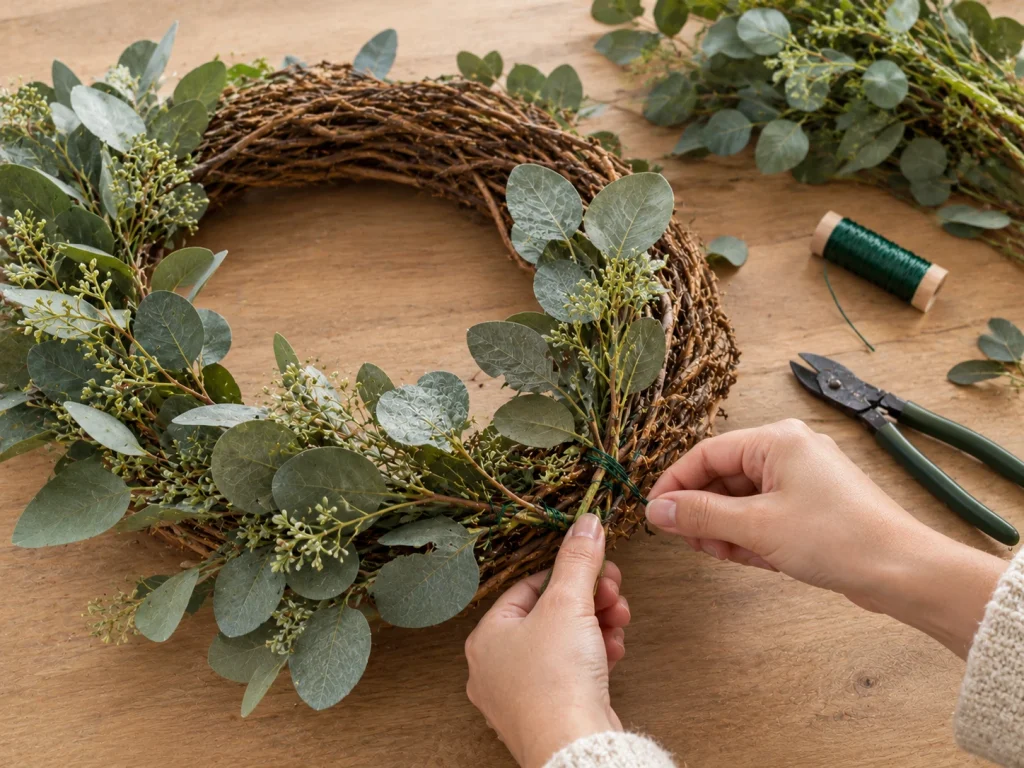
Trim your faux eucalyptus into manageable sections, leaving enough stem to secure each piece to the wreath base.
Begin with the larger branches. Tuck each stem into the grapevine and use floral wire to secure it at the back. Arrange the leaves so they follow the same general direction around the ring.
Add smaller pieces between the main branches to fill obvious gaps. Work gradually instead of covering the whole frame at once.
Step back occasionally and check the shape from a distance. The greenery should look balanced, but it does not need to be perfectly symmetrical. Leaving some of the grapevine visible gives the wreath a natural, handmade appearance.
If you prefer a fuller wreath, add extra greenery only where it improves the overall shape.
Step 3: Create a Simple Everyday Focal Point
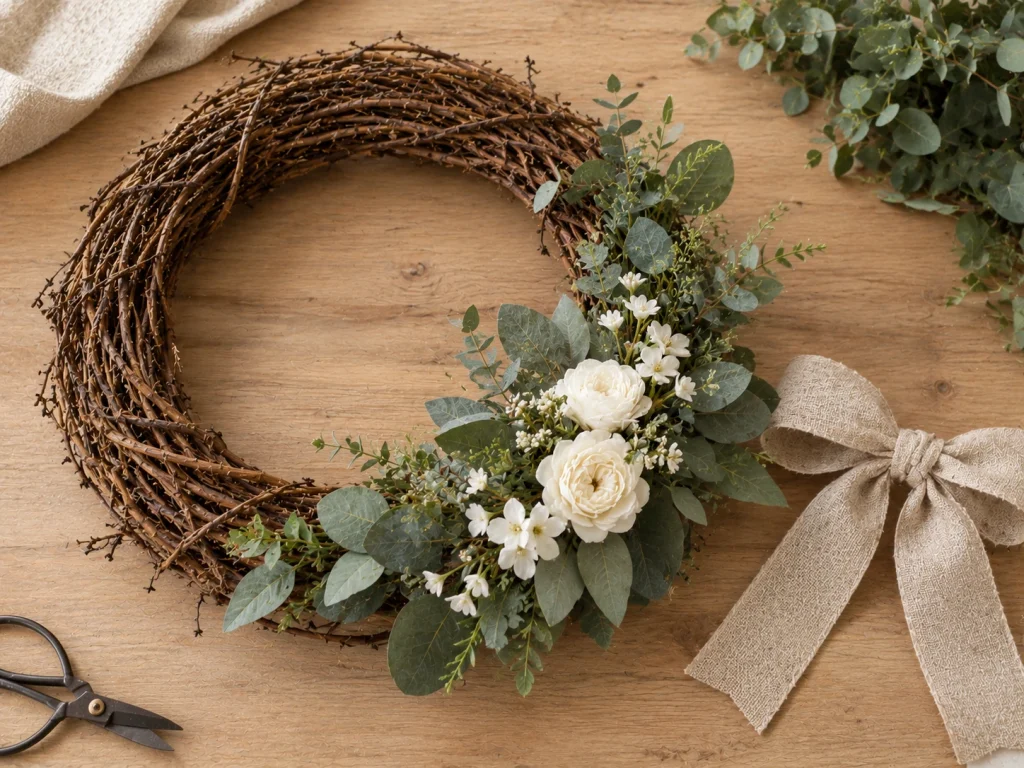
A small focal point helps the wreath look finished without tying it to a specific holiday.
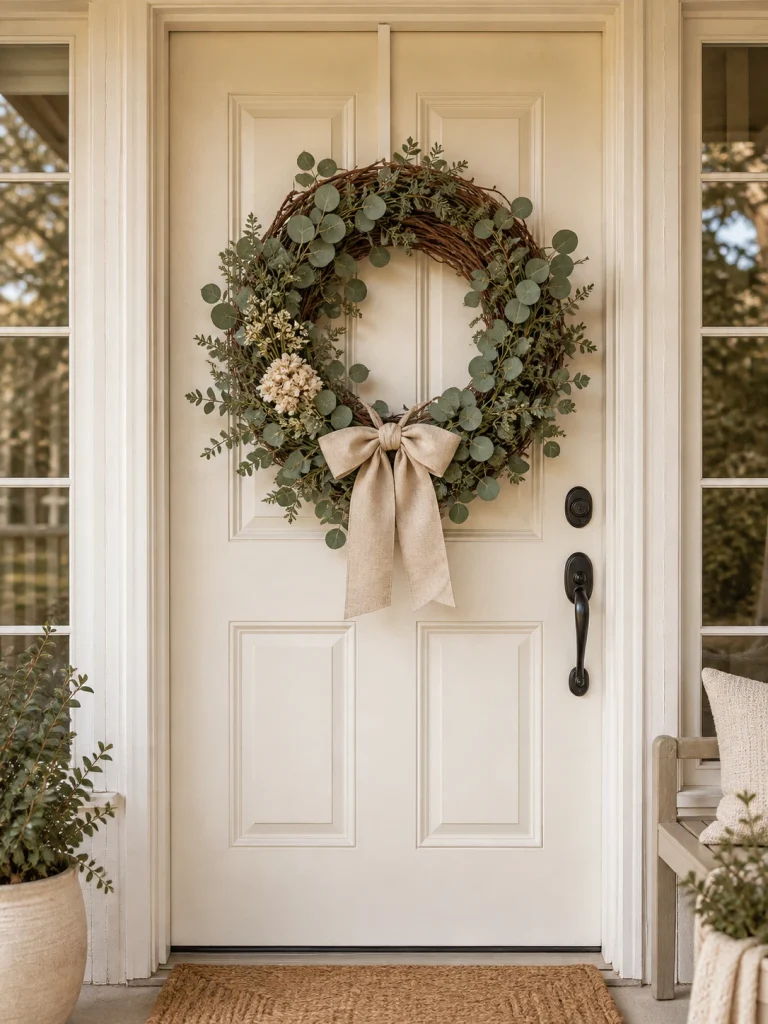
Choose a cluster of ivory flowers, a few understated decorative stems, or a neutral linen bow. Cream, muted sage, and natural beige work well together when you want a design that remains suitable throughout the year.
Place the focal point slightly off center, such as along the lower right or lower left section of the wreath. This leaves room for the greenery to remain visible and creates a relaxed arrangement.
Attach the focal point with floral wire if you want to replace it later. Keep the design simple enough that you can add seasonal decorations without having to remove the permanent greenery.
Step 4: Add a Removable Ribbon or Seasonal Attachment Point
A removable bow is one of the easiest ways to change the wreath without rebuilding it.
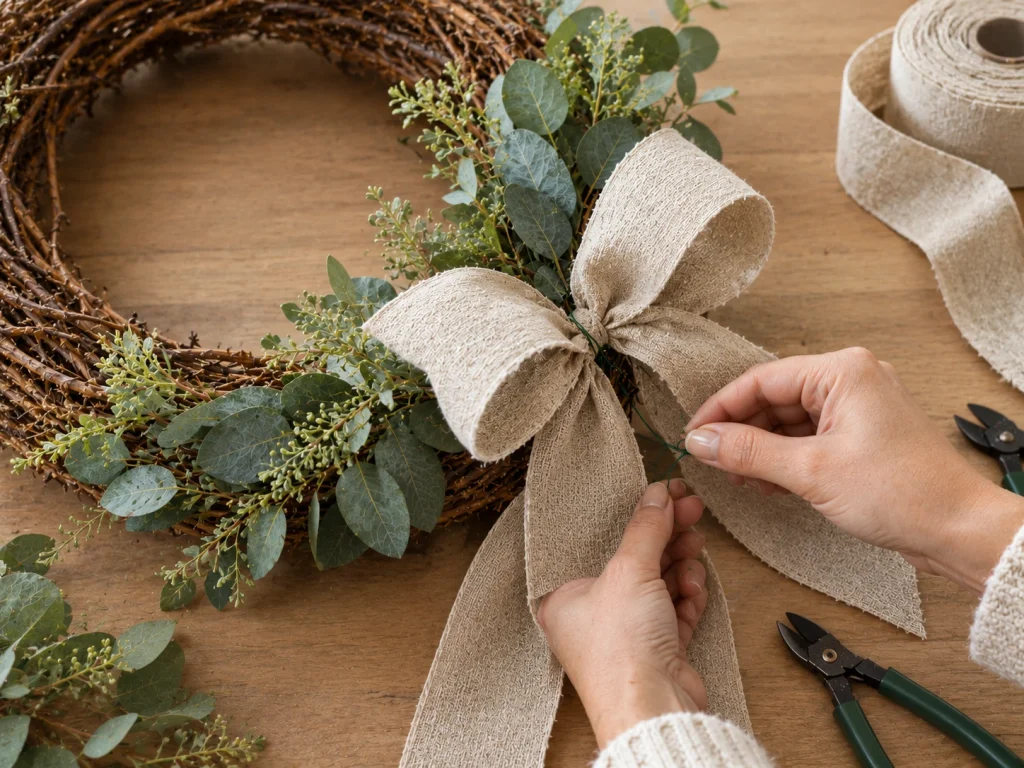
Cut a length of ribbon and form a bow with loops and tails that suit the size of your wreath. Wired ribbon is helpful because you can shape the loops, while linen and cotton ribbon create a softer appearance.
Secure the bow with floral wire and attach it to the wreath base. Keep the wire connection accessible so you can remove the bow when the season changes.
You can also create a small attachment point at the back of the wreath using wire. This gives you a consistent place to secure different seasonal decorations throughout the year.
Keep additions lightweight and check that all wire ends are tucked away. This helps prevent scratches on the door and makes the wreath safer to handle.
Step 5: Check the Finished Wreath and Prepare It for Hanging
Before hanging the wreath, lift it carefully and check that the greenery and decorations remain secure.
Gently move the larger branches and bow to see whether anything shifts. Add more floral wire if needed, and trim or tuck away loose wire ends at the back.
Look at the wreath from several feet away. If one side looks too heavy, move a branch or adjust the focal point. Fill only the gaps that distract from the overall shape.
Check the finished depth as well as the width. If you have a glass storm door, a thick wreath may press against the glass when the door closes.
Choose a hanger that suits your door and supports the finished weight. Open and close the door once after hanging the wreath to make sure it does not interfere with the handle, hinges, or closing mechanism.
How to Style the Same Wreath for Every Season
The easiest way to keep a wreath looking appropriate throughout the year is to leave the main greenery in place and change the removable accents. Each season can have its own color palette without requiring a new base.
Spring: Add Soft Flowers and Fresh Color
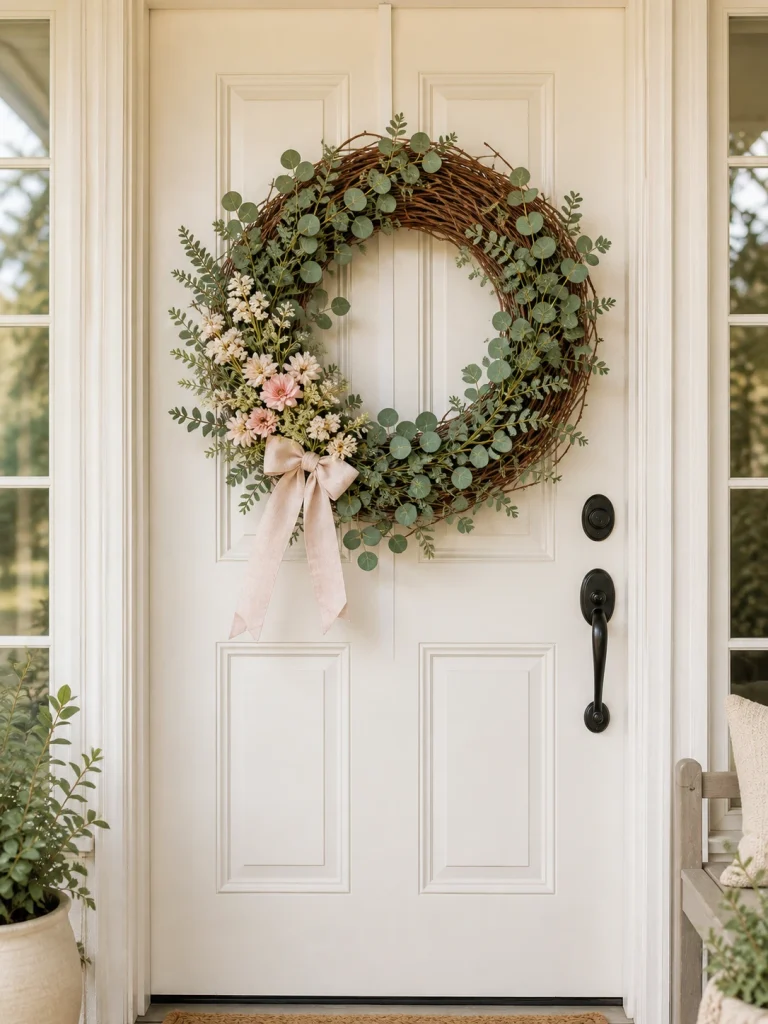
Spring is a good time to add a little color to your everyday wreath. Try faux tulips, small ivory blossoms, or delicate flowers in blush pink, pale yellow, or soft lavender.
Arrange the flowers in a small cluster along one side rather than spreading them evenly around the wreath. This keeps the design natural and leaves the eucalyptus visible.
Finish with a narrow ribbon in cream or a pale pastel shade. Once spring ends, remove the flowers and store them separately so the base is ready for a summer update.
Summer: Keep the Design Light and Relaxed
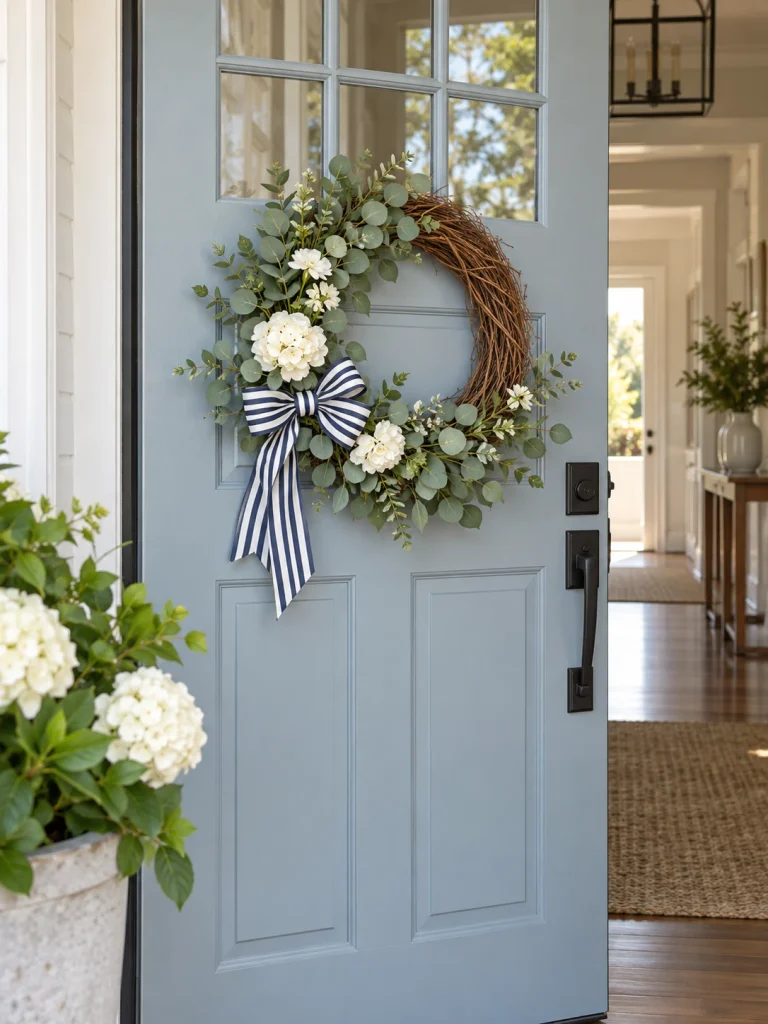
For summer, remove the spring flowers and replace them with a simple ribbon or a few white floral accents.
A navy and white ribbon works well for a subtle coastal look, while natural cotton or linen creates a relaxed farmhouse style. You can also leave the wreath almost entirely green if you prefer minimal decoration.
Avoid adding too many themed accessories. One well placed accent can refresh the wreath while keeping it suitable for everyday use.
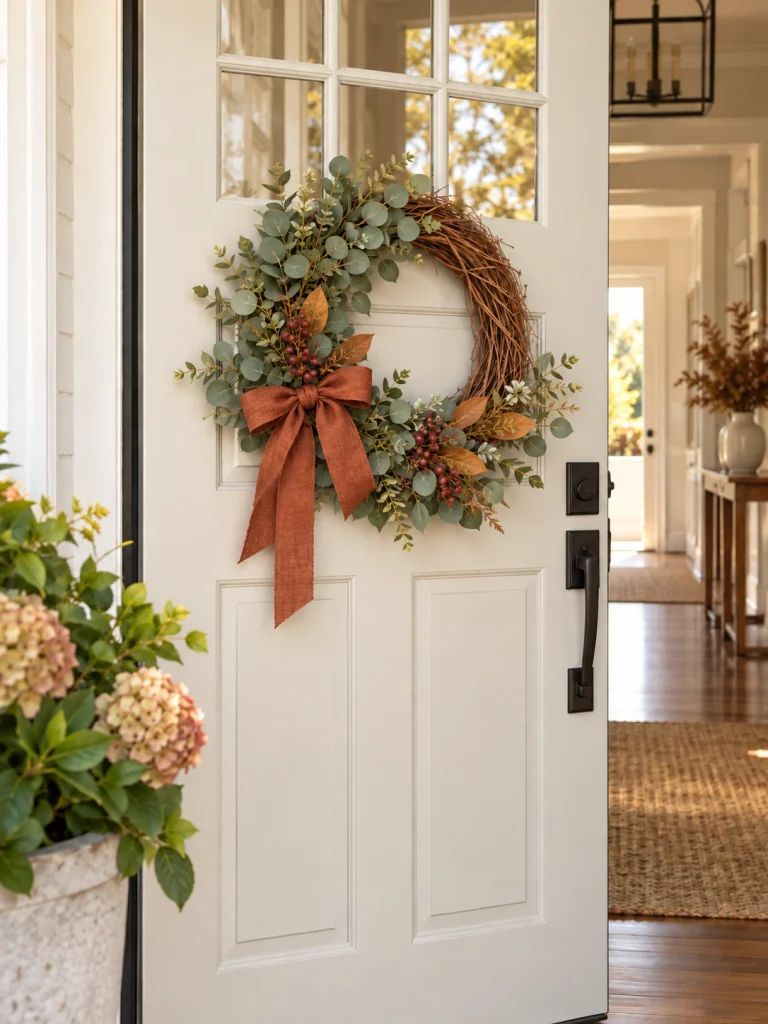
Fall: Add Warm Colors and Natural Texture
When autumn arrives, replace the summer ribbon with one in rust, burgundy, olive, or warm brown. A few faux leaves, small pinecones, or muted berries can add seasonal texture without overwhelming the greenery.
Keep the additions concentrated in one area of the wreath. This preserves the original shape and makes the decorations easy to remove later.
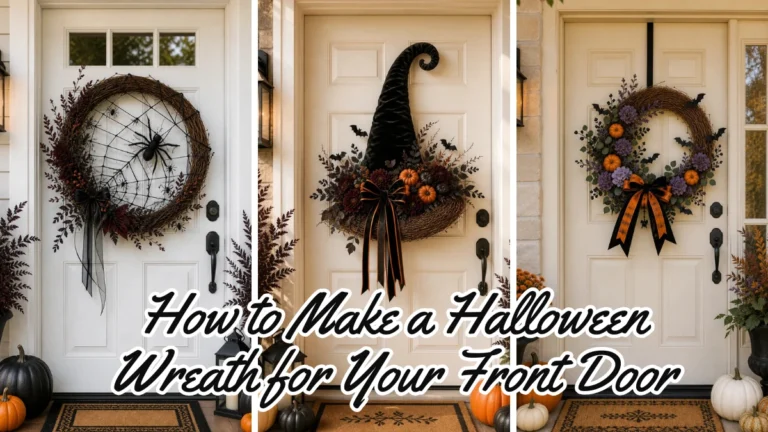
If you want a more Halloween specific look, you can temporarily add a black bow or a few dark accents. For more holiday inspiration, explore GlofyRobs’ Halloween wreath for front door ideas. The existing article covers Halloween themed designs, while this tutorial focuses on the reusable wreath base.
Winter: Use Deep Ribbon and Understated Accents
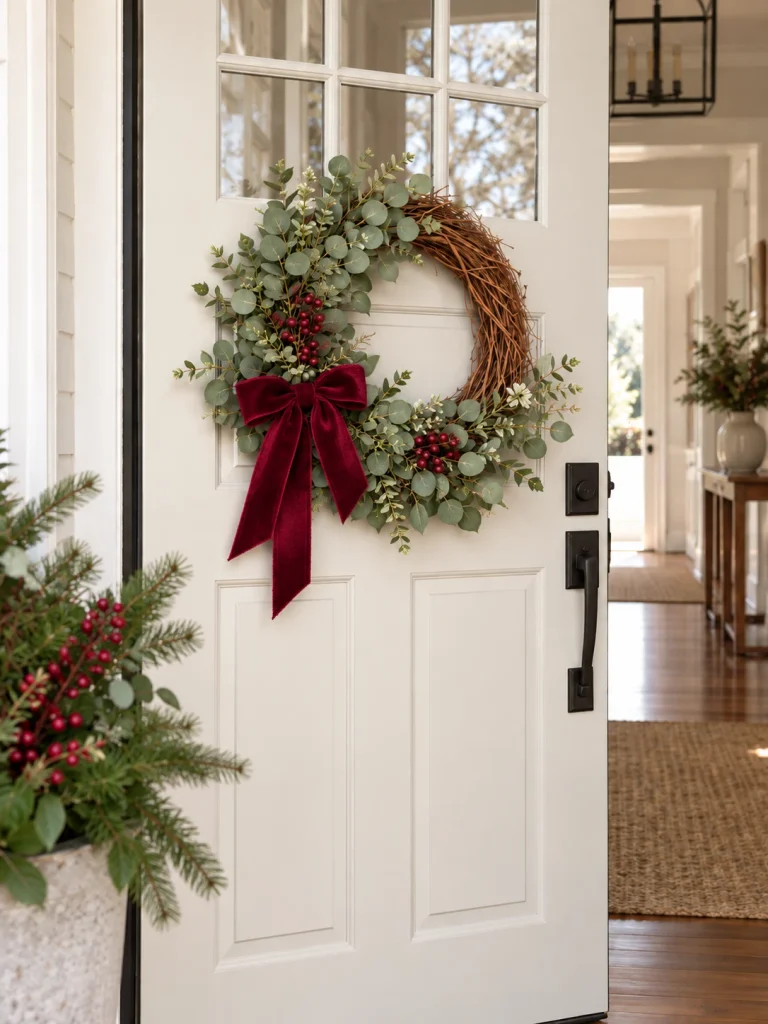
For winter, choose deep burgundy, forest green, ivory, or classic red ribbon. A few faux berries or small pinecones can provide texture without turning the wreath into a completely different design.
If you want a Christmas look, attach festive accents temporarily and remove them after the holidays. For a winter wreath that can stay up longer, use a simple ribbon and restrained greenery.
The aim is to create a design that still looks finished after Christmas decorations come down.
Which Wreath Base Is Best for Year Round Decor?
The best base depends on the style you want and how frequently you plan to change the decorations.
| Wreath base | Best use | Reusability |
|---|---|---|
| Grapevine | Natural greenery and rustic arrangements | Excellent for removable accents |
| Wire frame | Fuller greenery and flexible arrangements | Excellent when stems are wired on |
| Metal hoop | Minimalist and asymmetrical designs | Excellent for small seasonal clusters |
| Foam ring | Ribbon and lightweight decorative coverings | Depends on how the decorations are attached |
| Faux evergreen | A consistently full green appearance | Good when seasonal accents are removable |
For most beginners, a grapevine base with faux eucalyptus is a practical choice. Its natural texture looks attractive without complete coverage, and its branches provide convenient places to secure greenery and decorations.
A metal hoop is a good alternative if you prefer a modern, minimalist design. Choose a neutral base rather than one that is permanently frosted or decorated for Christmas.
How to Make Your Wreath Last Longer Outdoors
The lifespan of a front door wreath depends on its materials and exposure to weather. A covered porch usually provides more protection than an entrance exposed to direct sun, heavy rain, or strong winds.
Choose faux greenery and decorations labeled for outdoor use when possible. Secure loose branches with floral wire, and check the wreath after storms or windy weather.
Direct sunlight can fade some artificial flowers and foliage. If your door receives strong afternoon sun, choose materials intended to tolerate outdoor exposure and inspect them periodically.
If your wreath is made with natural greenery or dried flowers, expect the materials to change over time. A reusable faux greenery base is generally easier to maintain for year round display.
For autumn entryway inspiration, you can also explore GlofyRobs’ DIY Halloween decorations for outside when you want to coordinate your wreath with the rest of your porch.
Common Mistakes to Avoid
Adding Too Many Seasonal Decorations
A wreath covered in holiday specific decorations can be difficult to reuse. Keep the permanent base neutral and limit seasonal accents to a few carefully placed pieces.
Gluing Everything Permanently
Hot glue can be useful for small details, but it makes seasonal changes harder. Use floral wire or removable ties for anything you plan to switch later.
Ignoring the Back of the Wreath
Loose wire ends and bulky attachments can scratch the door or interfere with hanging. Keep the connections close to the base and tuck away sharp ends.
Making the Wreath Too Heavy
Large decorations and dense floral clusters can strain the hanger. Keep the design manageable and choose a hanging method that supports the finished weight.
Choosing Materials Unsuitable for Outdoor Use
Some indoor craft materials can fade, deteriorate, or loosen outdoors. Check the material labels and position the wreath in a sheltered area when possible.
How to Store Your Wreath Between Seasons
When you change the seasonal decorations, remove them carefully and store them separately in labeled containers. Keep faux flowers in a box where their petals will not be crushed, and store ribbons loosely so they retain their shape.
Keep the wreath base in a dry place away from direct sunlight. Before hanging it again, dust the greenery, reshape the branches, and replace damaged pieces.
Storing the base separately from seasonal accents makes the next changeover easier and helps you avoid buying duplicate decorations.
Frequently Asked Questions
Can I use the same wreath all year?
Yes. A grapevine, wire, or neutral faux greenery base can work throughout the year when its permanent design is simple. Change removable ribbons, flowers, and small accents to reflect each season.
What is the easiest wreath to make for beginners?
A grapevine wreath with faux eucalyptus is a straightforward option. The branches provide natural texture, and small stems can be secured with floral wire without covering the entire frame.
How do I change seasonal decorations without damaging the wreath?
Use floral wire or reusable twist ties wherever practical. Keep permanent greenery separate from seasonal accents, and avoid gluing decorations that you intend to remove.
Can a year round wreath stay outside?
Yes, provided its materials are suitable for the conditions. Outdoor rated faux greenery and a sheltered location generally make maintenance easier. Inspect the wreath regularly and bring delicate decorations indoors during severe weather.
What size wreath should I make for my front door?
A 14 to 18 inch base is a useful starting point for many doors, but the finished wreath will be larger once you add greenery and decorations. Measure the available space and check the depth if your door has a glass storm door.
Final Thoughts
A year round front door wreath is a simple way to refresh your entryway without starting a new project every season. Begin with a neutral grapevine base, attach realistic greenery, and keep the flowers, ribbons, and seasonal accents removable.
Once the permanent design is finished, a few small changes can give the same wreath a fresh look for spring, summer, fall, and winter. With sensible storage and occasional maintenance, one well made wreath can become a versatile part of your home decor throughout the year.





2 Comments