Gel Nail Polish: What It Is, How It Works & How Long It Lasts
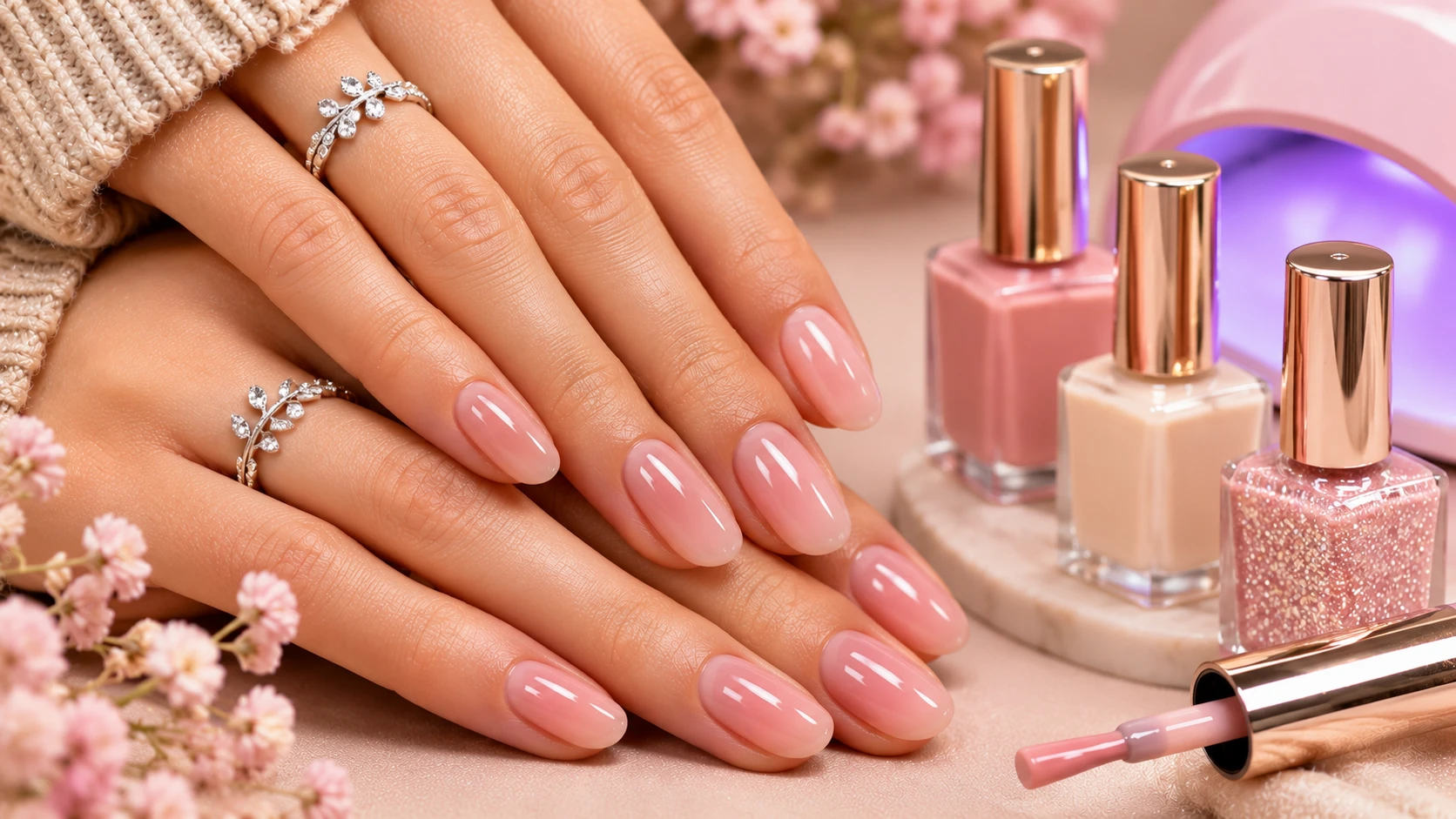
Gel nail polish has become a popular choice for people who want a glossy manicure that lasts longer than traditional nail polish. It comes in many colors and finishes, from soft nude and milky pink to glitter, metallic and cat-eye designs.
But what exactly is gel nail polish? How does it work, and is it different from regular nail polish or acrylic nails?
If you are exploring gel nails polish for the first time, this guide explains the basics, including how gel polish is cured, how long it usually lasts, the different finishes available, and what to know about removal and nail care.
What Is Gel Nail Polish?
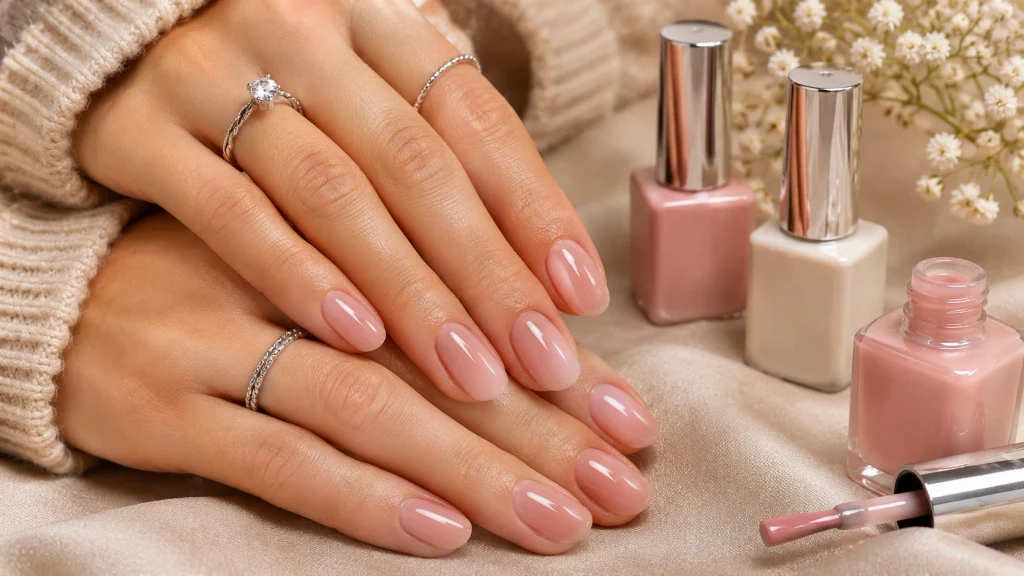
Gel nail polish is a type of nail coating designed to harden under a UV or LED nail lamp. Unlike traditional nail polish, which generally dries through evaporation, gel polish needs light exposure to cure and form a durable finish.
Once properly cured, gel polish creates a smooth, glossy surface that can resist everyday chips and scratches better than many regular nail polishes.
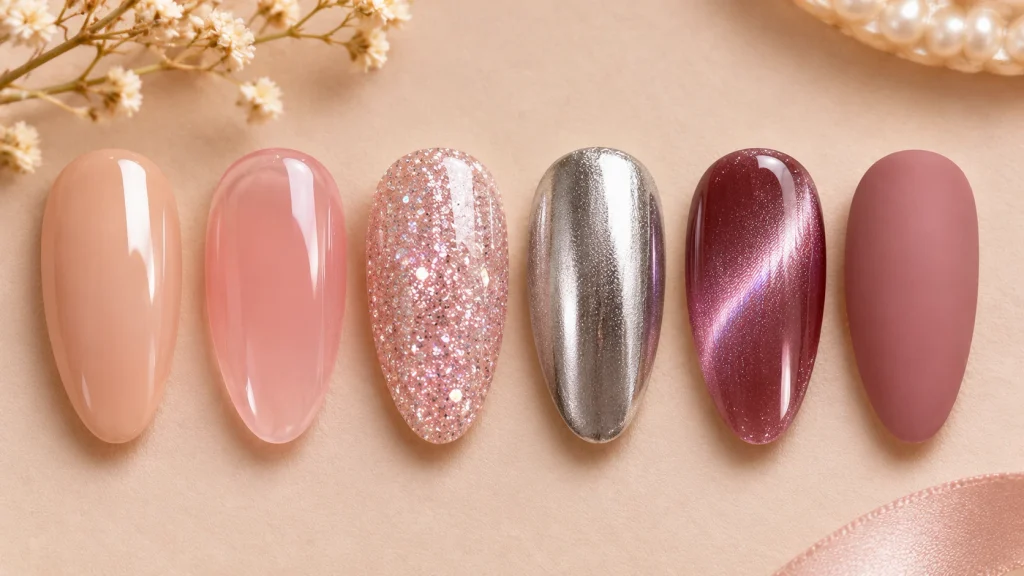
Gel polish is available in a wide range of colors and finishes, including:
- Classic cream colors
- Sheer pink and nude shades
- Milky white and neutral tones
- Glitter and shimmer finishes
- Metallic colors
- Cat-eye effects
- Matte finishes
One reason gel nail polish is popular is that it can create a salon-style manicure without necessarily requiring artificial nail extensions.
How Does Gel Nail Polish Work?
Gel nail polish contains ingredients called photoinitiators that react to specific light wavelengths. When the polish is placed under a compatible UV or LED lamp, a chemical process called polymerization helps the gel harden.
This process is known as curing.
A typical gel manicure involves several layers, such as a base coat, colored gel polish and a top coat. Each layer needs to be cured according to the product manufacturer’s instructions.
Unlike regular nail polish, gel polish does not simply air-dry in the same way. It needs the appropriate lamp and curing process to harden correctly.
It is also important to avoid getting uncured gel polish on the surrounding skin. Repeated skin contact with certain ingredients in gel products can lead to allergic reactions in some people.
Gel Nail Polish vs Regular Nail Polish
Gel nail polish and regular nail polish may look similar in the bottle, but they work differently and offer different manicure experiences.
| Feature | Gel Nail Polish | Regular Nail Polish |
|---|---|---|
| Drying method | Cured under a compatible UV or LED lamp | Air-dries |
| Finish | Often very glossy | Available in glossy, matte and other finishes |
| Wear time | Commonly around 2–3 weeks | Often several days before noticeable wear |
| Durability | Generally more resistant to everyday chipping | Usually chips more easily |
| Removal | Depends on the gel formula; may require soaking or professional removal | Usually removed with nail polish remover |
| Equipment | Requires a compatible curing lamp | Does not require a curing lamp |
The better option depends on your preferences. Regular polish is convenient for changing colors frequently, while gel polish is often chosen for a longer-lasting manicure.
How Long Does Gel Nail Polish Last?
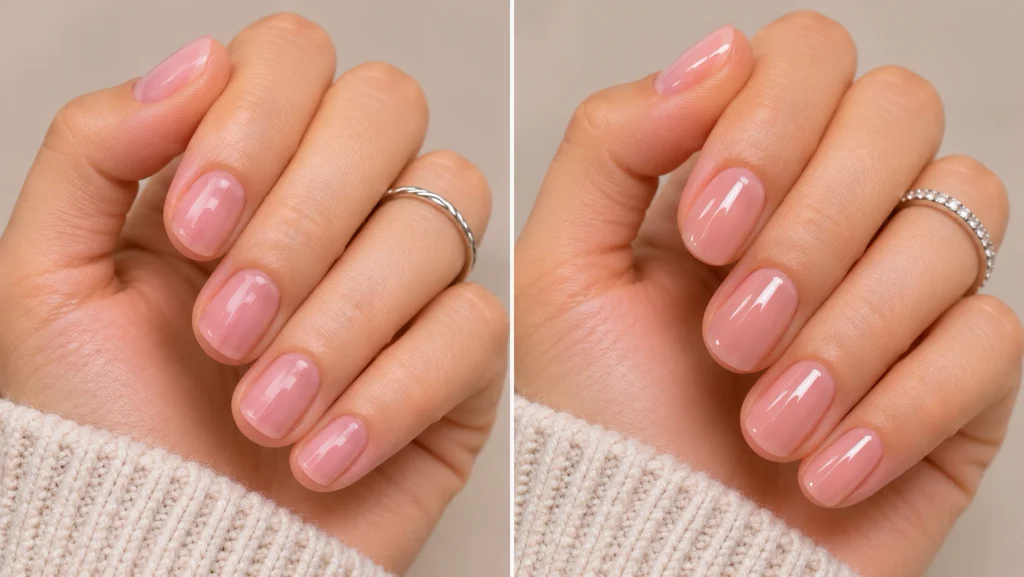
A gel manicure commonly lasts around two to three weeks, although the actual wear time depends on several factors.
These include:
- The quality and formula of the gel polish
- How well the manicure was applied and cured
- Your natural nail condition
- Everyday activities and exposure to water or cleaning products
- How quickly your nails grow
Some people notice their gel manicure looking good for longer, while others experience lifting or visible growth sooner.
Even if the polish still looks shiny, it is important not to leave a manicure on indefinitely. Follow the product’s removal guidance and avoid picking or peeling the coating.
Popular Gel Nail Polish Finishes
One of the best things about gel nail polish is the variety of finishes available. Whether you prefer a simple everyday manicure or something more eye-catching, there are plenty of options to explore.
1. Classic Cream Gel Polish
Cream gel polish has a smooth, solid-color finish without noticeable shimmer or glitter. Popular shades include nude, beige, red, burgundy, pink and soft white.
2. Sheer Gel Polish
Sheer gel polish provides a translucent finish that allows some of the natural nail color to show through. Pale pink and milky nude shades are popular choices for understated manicures.
3. Glitter Gel Polish
Glitter gel polish contains reflective particles that create a sparkling effect. Depending on the formula, the glitter may be subtle or more noticeable.
4. Metallic Gel Polish
Metallic gel polish creates a reflective finish that resembles polished metal. Silver, gold, bronze and chrome-inspired shades are common options.
5. Cat-Eye Gel Polish
Cat-eye gel polish creates a dimensional effect using magnetic particles in the formula. A magnet is used as part of the application process to create a shifting light pattern.
6. Matte Gel Polish
Matte gel polish has a soft, non-glossy appearance. It offers a different look from traditional shiny gel manicures and can work with neutral or deeper colors.
What Is the Difference Between Gel Polish and Acrylic Nails?
Gel polish and acrylic nails are two different nail products, although both are used in manicures.
Gel polish is a colored coating applied over the natural nail or an existing nail enhancement. It is designed to provide color and a finished surface.
Acrylic nails are artificial nail enhancements created using a liquid monomer and powder polymer system. They can add length, shape and structure to natural nails.
Here are the main differences:
| Feature | Gel Nail Polish | Acrylic Nails |
|---|---|---|
| Main purpose | Adds color and a protective-looking finish | Adds length and structure |
| Application | Applied in thin coating layers | Built using acrylic product |
| Curing | Requires a compatible lamp | Hardens through a chemical reaction |
| Appearance | Usually thinner and more natural-looking | Can be thicker, depending on the design |
| Nail length | Usually follows natural nail length | Can extend beyond natural nail length |
If you want inspiration for artificial nail shapes and designs, explore our guide to short square acrylic nail ideas.
Can Gel Nail Polish Be Applied to Natural Nails?
Yes. Gel nail polish can be applied to natural nails without adding artificial extensions.
This is one reason gel manicures are popular. They allow people to enjoy different colors and finishes while keeping their natural nail length.
However, a gel manicure does not automatically make natural nails stronger or healthier. The condition of your nails depends on several factors, including how products are applied and removed.
Avoid peeling off gel polish or forcing it away from the nail surface. Doing so can damage the natural nail layers.
Does Gel Nail Polish Need a UV or LED Lamp?
Yes. Most traditional gel nail polish formulas require a compatible UV or LED lamp to cure.
The lamp provides the light needed to start the chemical reaction that hardens the gel. However, not every gel polish works with every lamp, so it is important to follow the manufacturer’s compatibility and curing instructions.
There are also products marketed as gel-effect or gel-like nail polish. These are often regular air-dry polishes designed to create a glossy finish without a curing lamp.
Always check the product label to understand whether you are purchasing actual lamp-cured gel polish or a gel-effect regular polish.
What Should You Know About Gel Nail Polish Removal?
Removing gel nail polish correctly is important because improper removal can contribute to nail damage.
Different gel formulas have different removal requirements. Some are designed to be soak-off products, while others may require a different professional removal process.
Before removing gel polish, check the manufacturer’s instructions. If you are unsure which type of gel product you have, consider asking a trained nail professional.
Keep these points in mind:
- Never peel or force gel polish off your nails.
- Avoid scraping aggressively against the natural nail.
- Do not pull at lifted polish.
- Follow the specific removal instructions for the product.
- Give your nails a break if they feel sensitive or appear damaged.
Professional removal can be a helpful option, especially when you are unfamiliar with the product or removal process.
Is Gel Nail Polish Bad for Your Nails?
Gel nail polish is not automatically harmful, but certain application and removal practices can affect nail health.
Repeated manicures, aggressive removal, picking at gel polish and improper application may contribute to dryness, brittleness or nail surface damage.
Another consideration is exposure to UV light from curing lamps. Although the exposure during a manicure is relatively brief, it is sensible to take precautions.
Some ways to reduce avoidable risks include:
- Follow the curing lamp and gel product instructions.
- Consider UV-protective fingerless gloves designed for nail lamp use.
- Apply broad-spectrum sunscreen to exposed skin before a manicure, avoiding the nail surface.
- Keep uncured gel products away from your skin.
- Stop using a product if you develop irritation or an unusual reaction.
- Avoid removing gel polish by picking or peeling it.
If you experience a persistent skin reaction or nail problem, seek advice from a qualified healthcare professional.
How to Care for Nails After a Gel Manicure
Good nail care habits can help keep your natural nails comfortable and in good condition between manicures.
Consider these simple habits:
Moisturize your nails and surrounding skin: Apply cuticle oil or a suitable hand moisturizer to help reduce dryness.
Avoid picking at polish: Peeling gel can remove layers of the natural nail surface.
Keep nails at a comfortable length: Choose a length that suits your everyday activities and helps prevent accidental snagging.
Take breaks when needed: If your nails become sensitive or damaged, allow time without gel products and consider professional advice.
Use gentle nail care: Avoid aggressive filing and unnecessary buffing of the natural nail surface.
Frequently Asked Questions About Gel Nail Polish
1. Is gel nail polish the same as regular nail polish?
No. Gel nail polish usually needs a compatible UV or LED lamp to cure, while regular nail polish air-dries. Gel polish also commonly lasts longer before noticeable chipping.
2. How long does gel nail polish last?
A gel manicure commonly lasts around two to three weeks. The actual duration depends on the product, application, nail growth and everyday activities.
3. Can you use gel nail polish without a UV lamp?
Most traditional gel nail polish requires a compatible curing lamp. Some products described as gel-effect or gel-like polish are regular air-dry formulas, so check the packaging.
4. Does gel nail polish damage natural nails?
Gel polish does not automatically damage nails, but repeated manicures, aggressive removal and picking at the coating can contribute to nail damage.
5. Can gel nail polish be used on short nails?
Yes. Gel polish can be applied to short natural nails and is available in many colors and finishes.
6. Is gel polish better than regular nail polish?
Neither option is best for everyone. Gel polish generally offers longer wear, while regular polish is easier to change and does not require a curing lamp.
7. Can gel nail polish be used on acrylic nails?
Yes. Many gel polish products can be applied over properly prepared acrylic enhancements, provided the product instructions allow it.
Final Thoughts
Gel nail polish is a popular manicure option because it offers a glossy finish, a wide range of colors and longer wear than many traditional nail polishes.
Understanding how gel polish works, how it differs from regular polish and acrylic nails, and how to remove it correctly can help you make more informed manicure choices.
Whether you prefer sheer pink, classic nude, glitter, metallic or cat-eye finishes, gel nail polish offers plenty of ways to explore different nail looks. The most important thing is to use suitable products, follow their instructions and take care when removing your manicure.