How to Detangle Curly Hair for Braiding Without Tears
Braids start with detangling, and detangling is where most braid days go wrong. This guide shows you how to detangle curly hair without tears before a single braid stitch goes in, and it is the method to use every time you detangle curly hair without tears for braiding. This is not another list of styles. It is the method every braid on this site starts with. It works for adults, school kids and toddlers, and the kids section is one part of it, not the whole article.
Every braid article on this site gives detangling in one short paragraph. This guide is the full version: why curls tangle, wet, damp or dry, the tools and products, the seven steps, stubborn knots, how often to detangle, and the pain free method for a child. The promise is practical. No tears, no ripping, no snapping. It is not zero sensation.
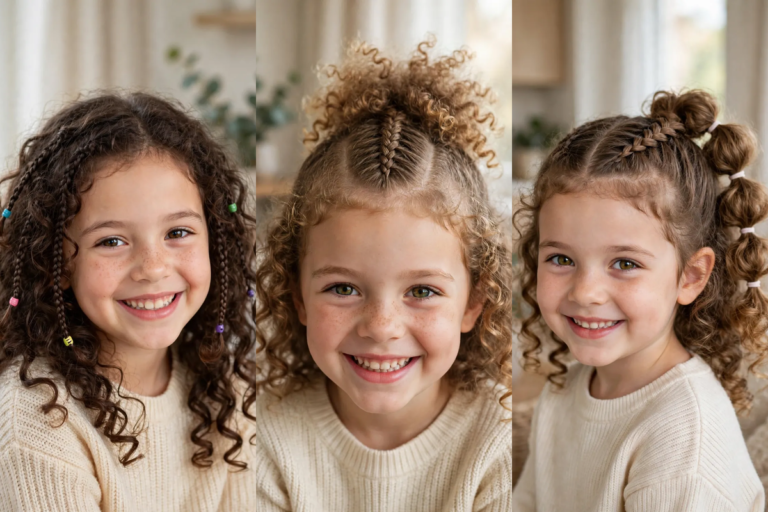
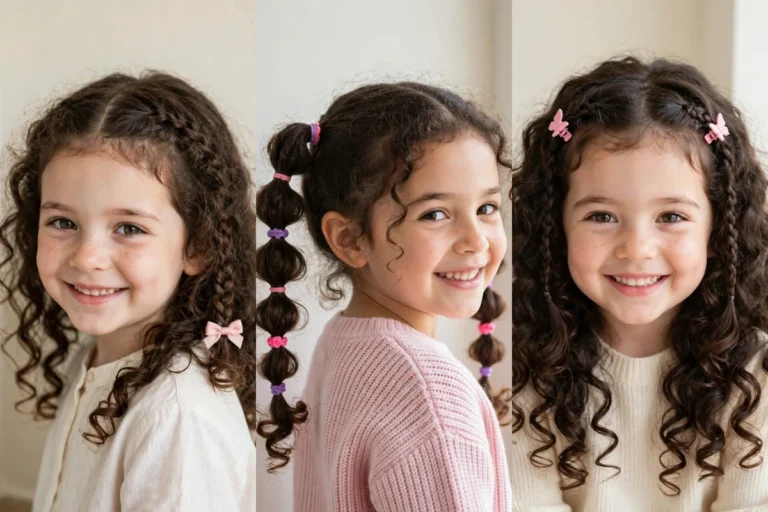
Once the hair passes the braid ready test below, it is ready for a braid, and our 10 curly braided hairstyles for busy moms is a good first braid to try.
Why Curly Hair Tangles
On a straight strand, hair slides past its neighbours. On a curl, the bends lock together, so strands wrap around each other and form knots that straight hair never gets. Dryness makes it worse, because rough cuticles grab on to one another. Curly fibres have an uneven cuticle, so cuticles snag at natural friction points. Shed hairs wrap into fairy knots, and split ends catch and cause more knots. The bends are also weak points: force on a knot is more likely to snap the strand than pull it free, and pulling a comb from the top down compacts every small tangle into one tight knot. So this guide works from the ends up.
Wet, Damp or Dry?
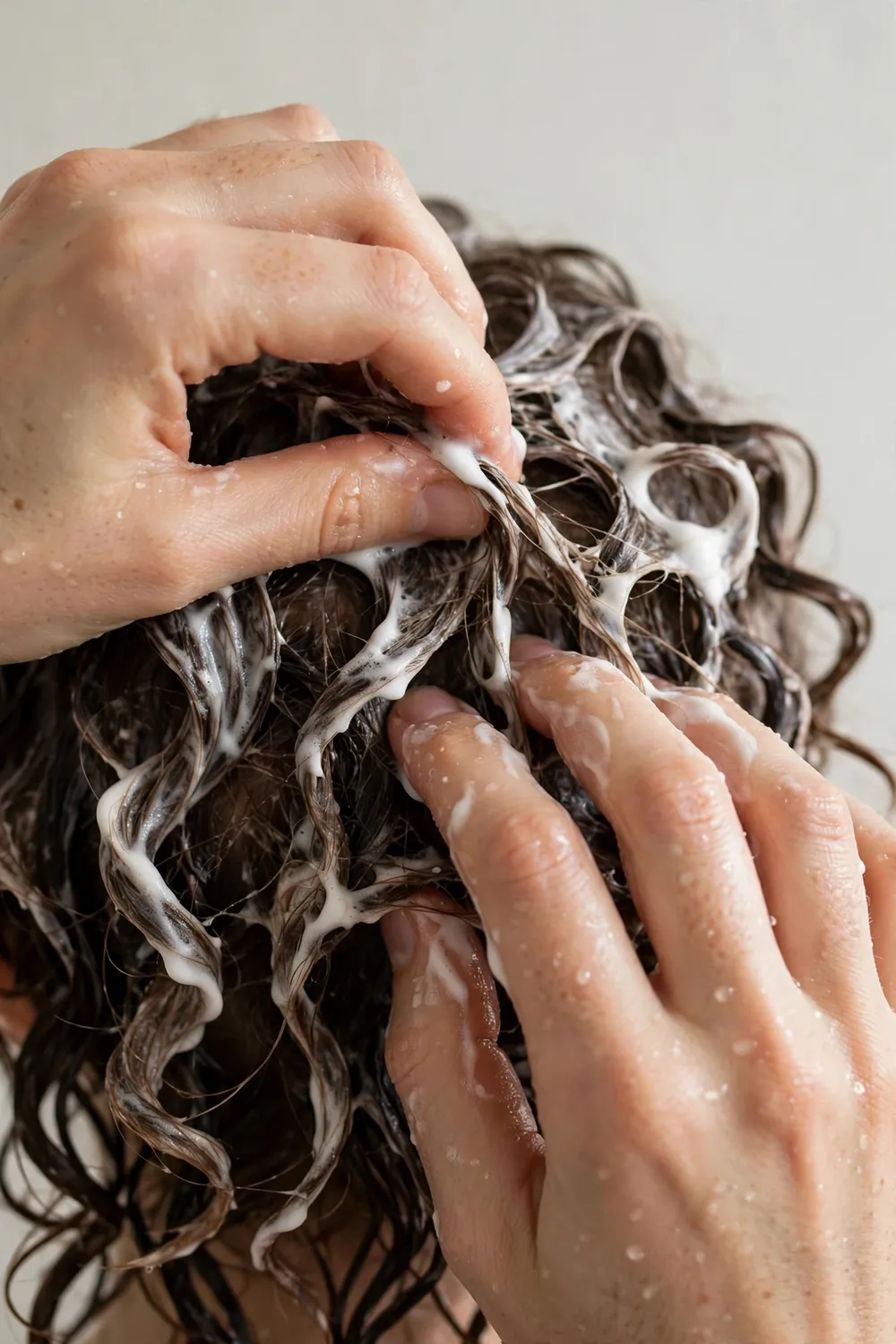
Work wet or damp, coated with conditioner. Detangle with plenty of slip, and never work dry and bare. Wet hair is more elastic than dry hair, but it is also weaker when wet, which is why the American Academy of Dermatology advises being gentle with hair when it is wet. For tightly curled hair, the Academy’s guidance is to brush it wet, and for thick curly hair to comb in the shower before rinsing. Wet the hair thoroughly, add leave in conditioner, and work in sections.
There are two narrow exceptions. A light oil worked through dry hair with fingers before washing softens knots, and for heavier or looser curls, dry detangling with fingers and a wide tooth comb can work. Never detangle dry and bare, and never brush dry curls. The braiding window is lightly damp hair, damp enough to grip, not dripping. Plain water alone is not enough slip, so use a leave in mist with marshmallow root, glycerine and plant oils. Wet hair coated with slip enhancing conditioners needs up to 60 to 70 percent less combing force than dry or unconditioned hair, according to Watermans, citing research published in the International Journal of Cosmetic Science.
What You Need
You need very little. The tools below are the whole kit, and the products are types, not brands.
| Tool | Best for | Watch out for |
|---|---|---|
| Fingers | First pass, big knots | Takes longer |
| Wide tooth comb | Smoothing after fingers, tighter patterns | Never start at the roots |
| Flexible detangling brush | Thick damp hair, looser patterns | Small sections only |
| Spray bottle | Re wetting dry sections | Keep it a fine mist |
| Clips and scrunchies | Holding sections apart | Snag free only, no rubber bands |
| Fine tooth comb | Parting and edges only | Never for detangling |
| Paddle brush or stiff brush | Nothing in detangling | Avoid it |
Our 7 easy curly braids for busy moms lists the same three basics: a wide tooth comb, soft scrunchies and bobby pins.
Rinse out conditioner is the main source of slip. Apply it generously through the whole length, and leave it in for a couple of minutes. Detangling while the conditioner is still in, in the shower with the water running, is the safest window. Leave in conditioner adds slip after rinsing. It is not interchangeable with rinse out conditioner, so do not dilute rinse out conditioner in a spray bottle. Detangling spray is lightweight and adds slip without greasy residue; look for aloe vera, vitamin E and argan oil. Curl cream seals hydration in while the hair is still damp. Light oil works as a pre treatment on dry hair before washing, and a dab on a stubborn knot, left for a minute, softens it. Do not use harsh sulphates, and do not use cheap rubber bands.
How to Detangle Curly Hair for Braiding, Step by Step
These seven steps are the whole method, in order. Allow 10 to 15 minutes for short or loose curls, and 20 to 30 minutes for long, thick or coily hair.
1. Start Damp, with Slip in the Hair
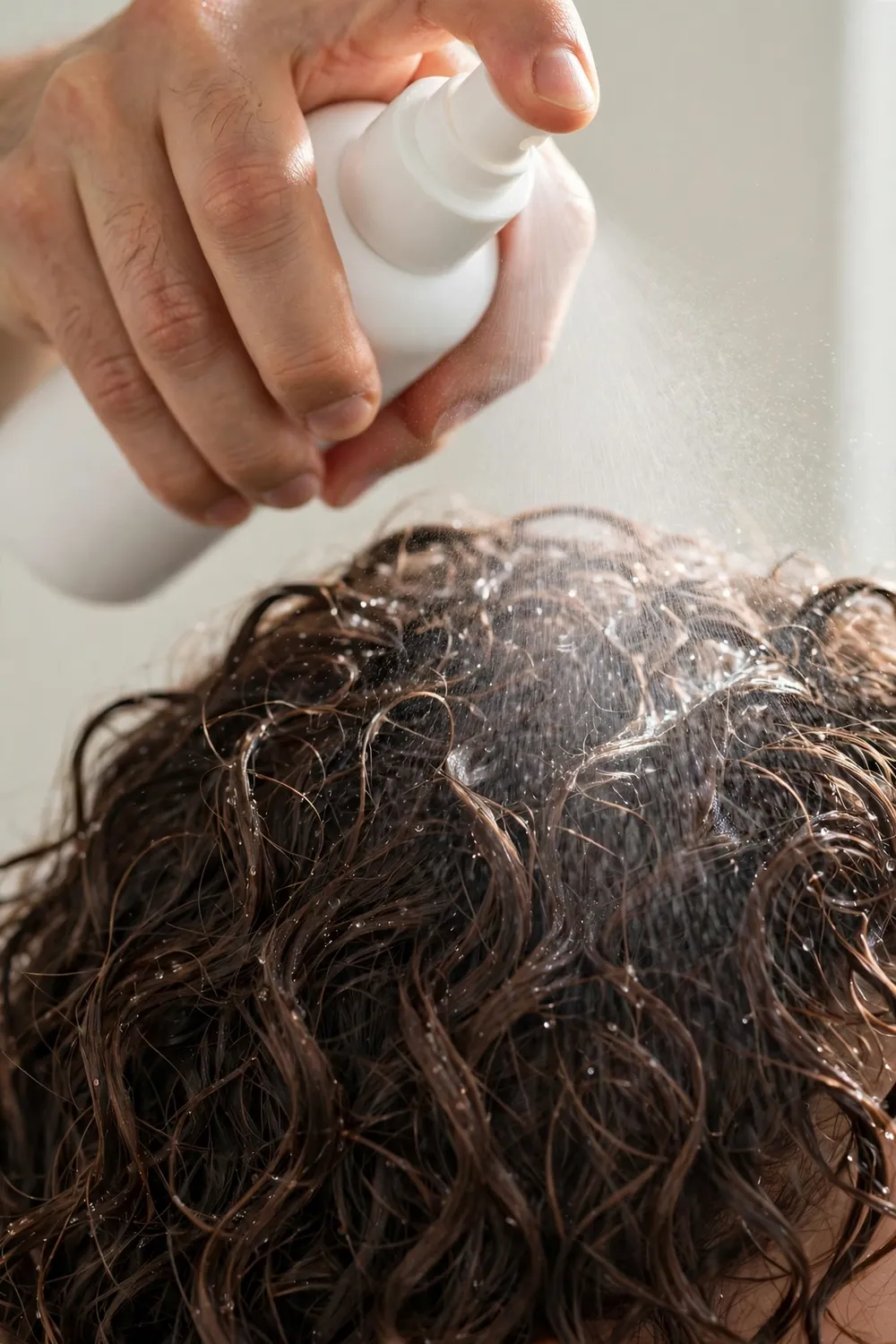
On wash day, detangle in the shower with conditioner in, before rinsing. Between washes, wet the hair thoroughly first, then apply leave in conditioner or detangling spray, and leave it in for a couple of minutes. Use a palm size amount per large section. If a section feels dry and grabby, stop and add more.
2. Divide into 4 to 6 Sections
Divide the hair into 4 to 6 sections, or 4 to 8 for thick or coily hair, and clip each section up. Work one section at a time, and clip finished sections away so they do not tangle again.
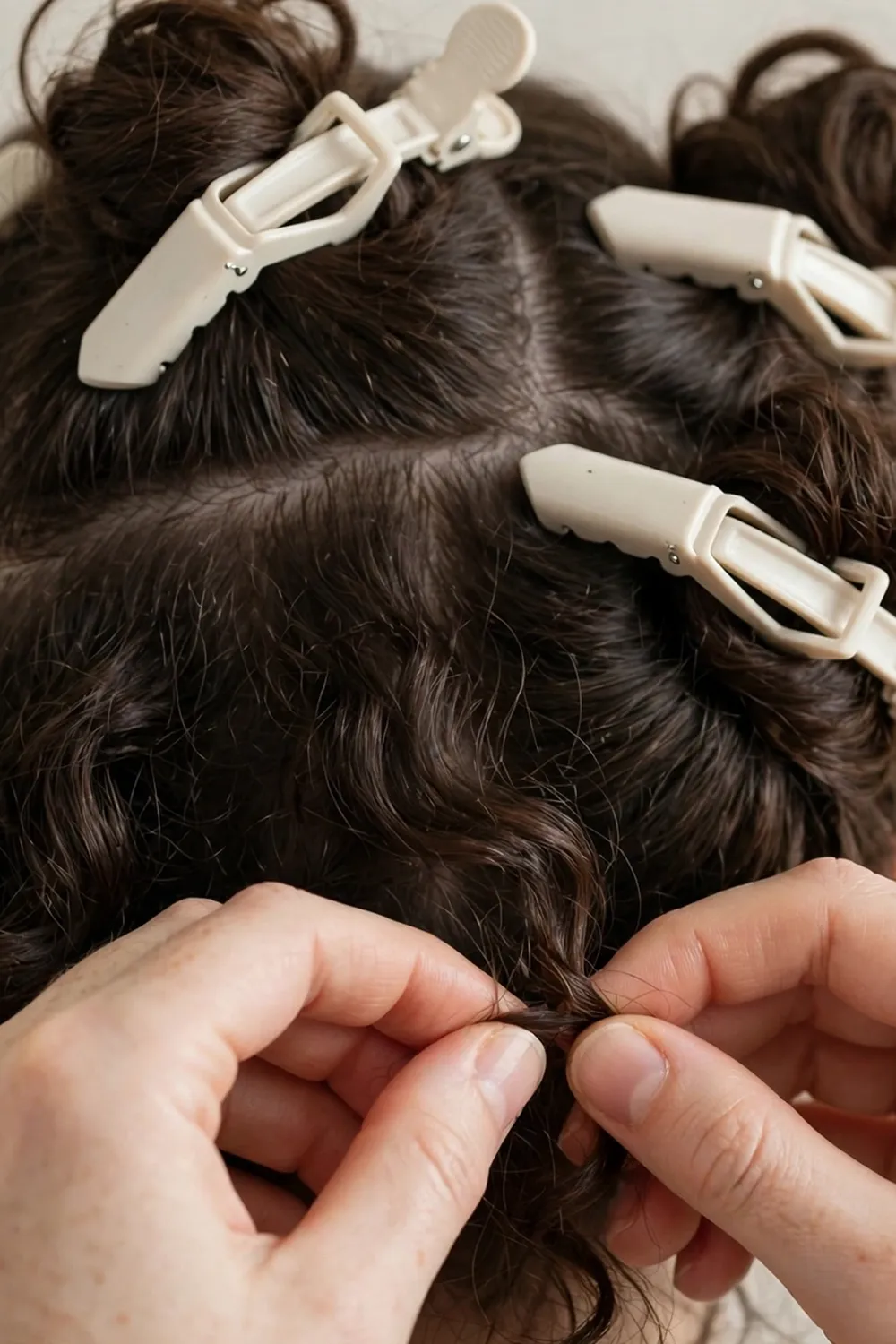
3. Finger Detangle First
Work through each section with your fingers first, starting at the ends, gently pulling apart the big knots. Fingers let you feel exactly where the tangles are and stop at a snag, which is why they are the gentlest option. It takes longer. Speed is what snaps strands.
4. Comb from the Ends Up, a Few Inches at a Time
Take the wide tooth comb, clear the bottom few centimetres, move up a few inches, and repeat to the roots. Hold the section above the knot with your other hand, gripping firmly about 5 cm from the scalp, so any tug stops at your hand. This is the root anchor grip. Never start at the roots, because that pushes knots into a bigger tangle.
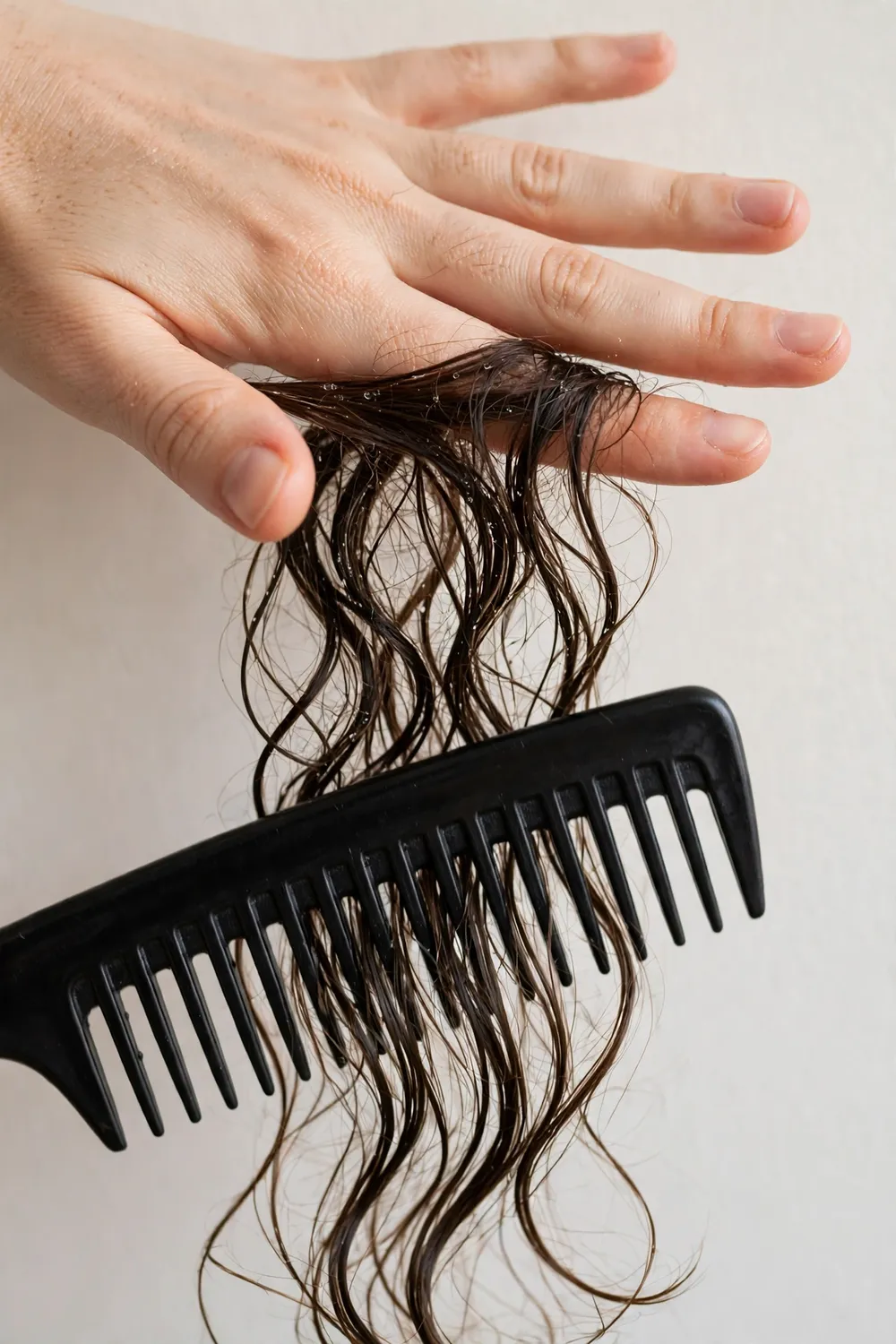
5. Add Product, Never Force
If the comb catches, stop. Add water or conditioner, let it sit for a minute, and go back with fingers. Never force a comb through resistance, because the strand will snap before the knot gives way. A section that keeps catching needs more product, not more force.
6. Twist or Clip Each Finished Section
Twist or clip each finished section loosely so it stays detangled.
7. The Braid Ready Test
Hair is ready to braid when a wide tooth comb slides through every section from ends to roots without catching, and the hair is lightly damp with leave in conditioner worked through. If the comb still catches, that section is not ready. Add product and go again.
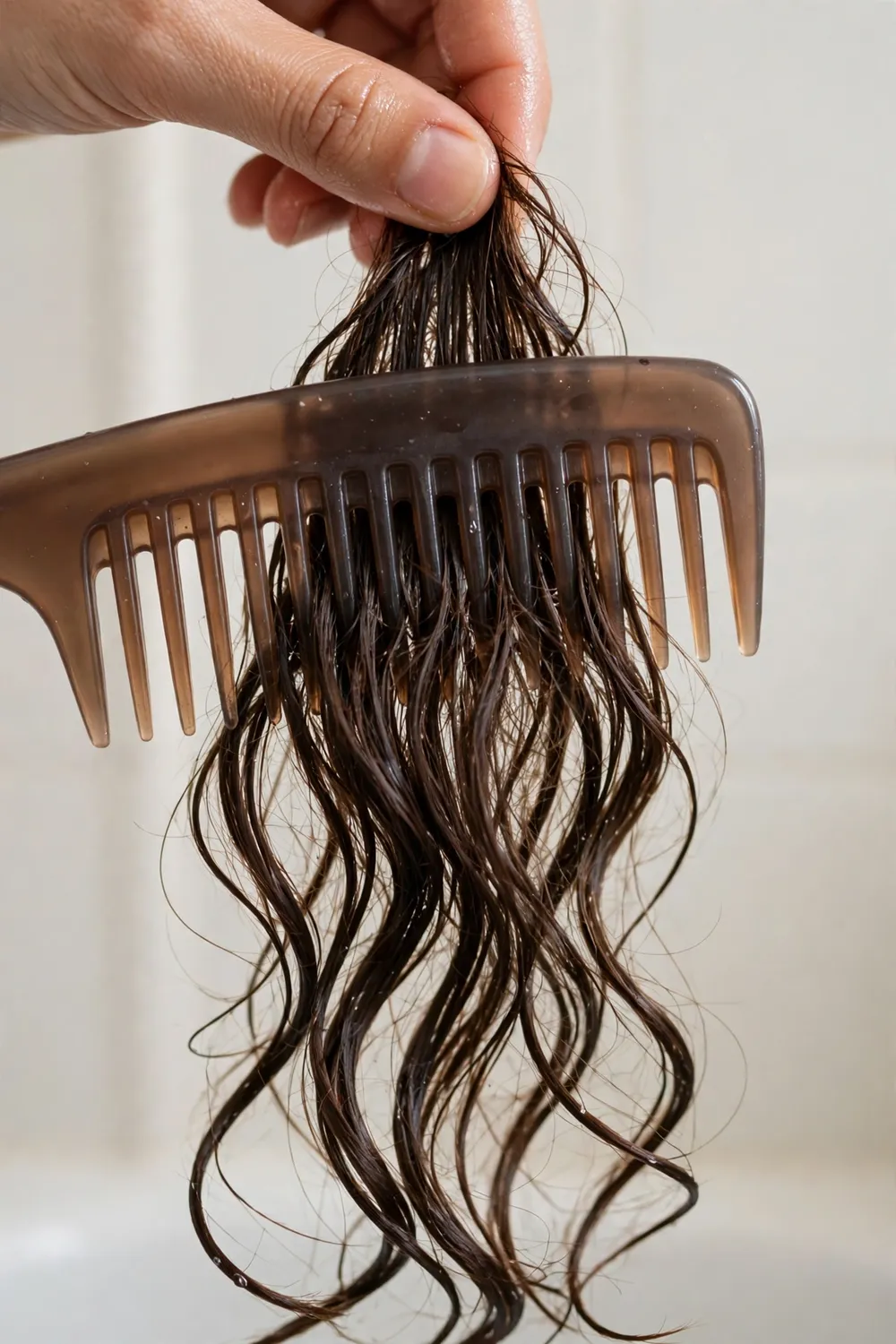
Detangling for Braiding vs Detangling for Wash Day
Detangling for a braid and detangling for wash day share the same steps, but the finish is different. For a braid, the hair should be slightly damp, not dripping, parted for the braid, and moisturised after detangling so the braids do not frizz. Trim split ends before braiding. Detangling after taking braids down is a separate job, so this article stops at the braid ready test.
Stubborn Knots and Mats
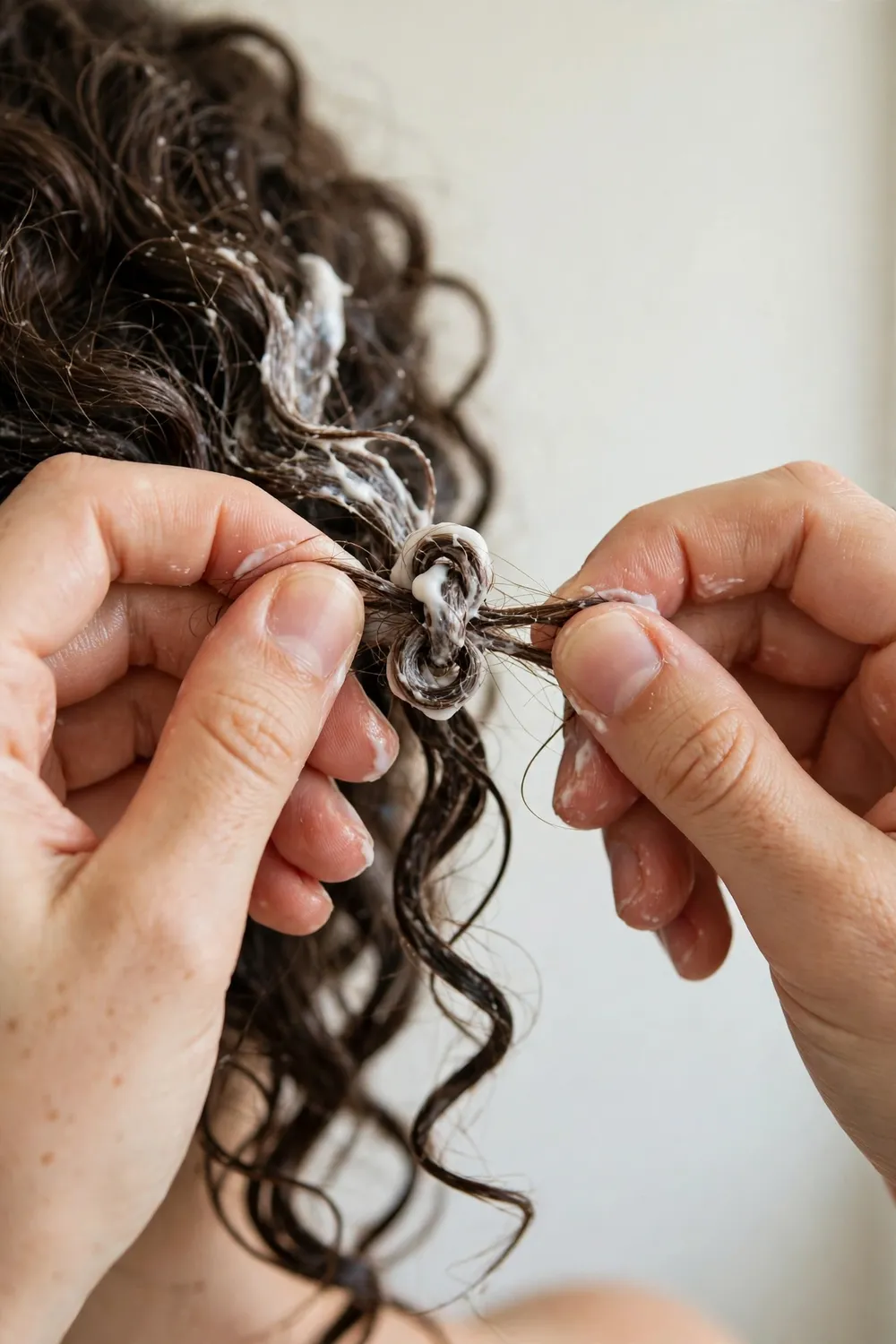
Some knots will not move with the normal steps, and a mat is a different problem from a knot. Work in this order. First, add product, dabbing oil or conditioner directly on the knot and letting it sit for a minute. Second, hold above the knot, so the pull does not reach the scalp. Third, pick it apart with your fingertips, loosening the knot from the outside in. Fourth, comb the loosened section from the ends up. One more technique comes from a single source, so take it as a tip rather than a rule: Dr. Jasmine Reed, a trichologist, describes a squeeze and slide method: dampen the knot heavily, then squeeze and slide downward.
Do not rip through a mat. Forcing a comb through a tight mat snaps hairs and can hurt the scalp, and working from the ends up prevents single strand knots. For severe matting, use plenty of conditioner or hair oil, fingers first, then a wide tooth comb. If a mat will not loosen after a few minutes, stop. A stylist can remove it safely, and cutting a small mat is better than losing a large amount of hair.
How Often to Detangle
Once per wash day is enough. Detangling too often adds friction, and curls left alone between washes stay more intact.
| Curl type | How often | Notes |
|---|---|---|
| Waves, 2A to 2C | 2 to 3 times a week | Lightweight moisture, fingers or wide tooth comb |
| Curls, 3A to 3C | Once a week, during wash hour | Detangle while conditioning |
| Coily hair | Once a week or biweekly | Lots of slip, oil pre treatment, fingers only |
Kids wash once every 7 to 10 days, refreshing curls mid week with a leave in spray. Between washes, do not comb dry curls.
How to Detangle a Child’s Curly Hair Without Tears
This section is the kids method in full, and it is one part of this article, not the whole of it. The session is shorter, the grip is gentler, and the child gets a say. Never comb dry hair, and never force a child to finish a session.
School Age Kids
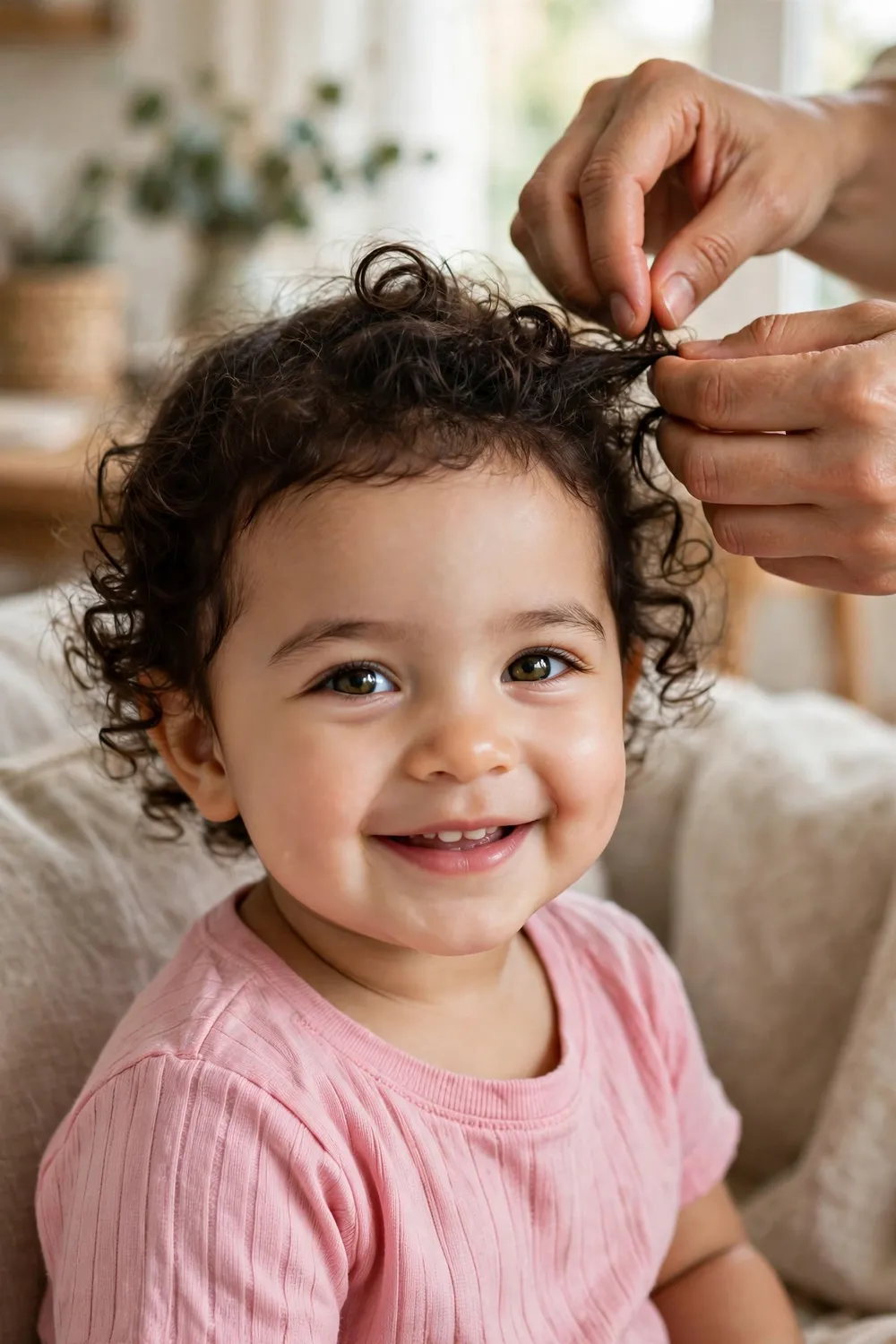
Work in 4 to 6 sections, one at a time, secured with clips or a soft scrunchie. Hold each section firmly mid shaft, about 5 cm from the scalp, so the scalp feels zero tension. That is the root anchor grip, and it matters more for a child than for an adult. Finger detangle first, then use a wide tooth comb or a flexible detangling brush, working from the ends upward in small steps. Condition generously and let it sit for 3 to 5 minutes. Let the child choose the clip, and distract with a toy or a song.
Toddlers with Fine Curls
Fine curls are the slipperiest hair there is, so dampen lightly, because damp hair grips better than dry hair. Use snag free spiral elastics and smooth plastic clips only, and never use a rubber band on fine curly hair. Keep the first stitches relaxed, keep every session under five minutes, and choose low finishes, because low finishes are nap friendly. One kids leave in detangler is suitable from around 3 years up. If a braid hurts, it is too tight, so loosen it or take it out and start again.
Mistakes That Cause Breakage
| Mistake | Why it hurts | Better move |
|---|---|---|
| Starting at the roots | Pushes knots together | Start at the ends |
| Detangling bone dry | No slip, strands snap | Add water and conditioner |
| Using a fine tooth comb | Tears curl clumps | Use a wide tooth comb |
| Doing it daily | Adds friction | Once per wash day |
| Forcing a knot | Snaps hair | Add product, pick apart with fingers |
| Brushing dry curls | Frizz and breakage | Fingers and water to refresh |
| Spraying plain water alone | No lubrication | Leave in mist with slip ingredients |
| Pulling without holding above the knot | Scalp tension | Root anchor grip, hold mid shaft |
| Using rubber bands | Snaps fine hair | Snag free spiral elastics, soft scrunchies |
Keeping Curls Detangled Between Washes
Sleep on satin, with a satin bonnet or pillowcase, because it reduces friction overnight. Keep the hair moisturised, because dry hair tangles more. Do not comb dry curls. Use water and fingers to refresh instead. Trim the ends, because split ends catch and cause knots. One loose braid for sleep keeps curls from knotting overnight.
Shedding vs Breakage
Some shedding is normal. On a wash day when you have not detangled for a week, you may see 50 to 100 hairs, and that is the normal daily shed collecting. After weeks in braids, the shed hairs have all collected, so finger detangle them out gently before washing. Breakage is distinct from shedding: a broken hair has no root bulb, while a shed hair leaves the scalp with an intact root bulb. If you see unusual thinning or bald patches, see a dermatologist.
Frequently Asked Questions
Should I detangle curly hair wet or dry?
Wet or damp, with conditioner in the hair. Wet hair is weaker than dry hair, so be gentle, and never work dry and bare. The only dry exceptions are a light oil pre treatment before washing, and heavier or looser curls detangled dry with fingers and a wide tooth comb.
How often should I detangle curly hair?
Once per wash day is enough. Waves do well 2 to 3 times a week, curls once a week, and coily hair once a week or biweekly with lots of slip.
What is the best tool to detangle curly hair?
Your fingers first, then a wide tooth comb. Fingers find the tangles and stop at a snag, and the wide tooth comb smooths the section after fingers have done the hard work. A flexible detangling brush works as a follow up pass on thick, damp hair. A fine tooth comb is for parting only.
How do I detangle my child’s curly hair without tears?
Never comb dry hair. Work in 4 to 6 sections, hold each section firmly mid shaft so the scalp feels zero tension, finger detangle first, then comb from the ends up. Condition generously and let it sit for 3 to 5 minutes. Let the child choose the clip, distract with a toy or a song, and keep the session short.
How do I know my hair is ready to braid?
Run the braid ready test. A wide tooth comb should slide through every section from ends to roots without catching, the sections should be clipped separately, and the hair should be lightly damp. If the comb still catches, that section is not ready. Add product and go again.
Start with the Tangle, Not the Braid
Detangle once, properly, and every braid after it is easier. Start with our 10 curly braided hairstyles for busy moms, or go to our 15 braided hairstyles for curly hair for protective styles. The tangle comes first. The braid comes second.