20 Winter Hair Color Ideas for 2026–2027: Rich, Glossy & Icy Shades
Winter is a beautiful time to experiment with hair color. Rich brunettes, deep cherry reds, soft copper, creamy blondes, and icy silver shades all offer different ways to refresh your look for the colder months.
The best winter hair color ideas for 2026–2027 are not limited to dark hair. You can choose a glossy espresso shade for a sophisticated finish, cherry cola for a subtle red transformation, or champagne blonde for a softer, brighter look. The secret is finding a color and hairstyle that work naturally with your starting hair color, face shape, hair texture, and personal style.
Below, you’ll find 20 winter hair color ideas, along with individual visual references and practical tips to help you choose your next salon look.
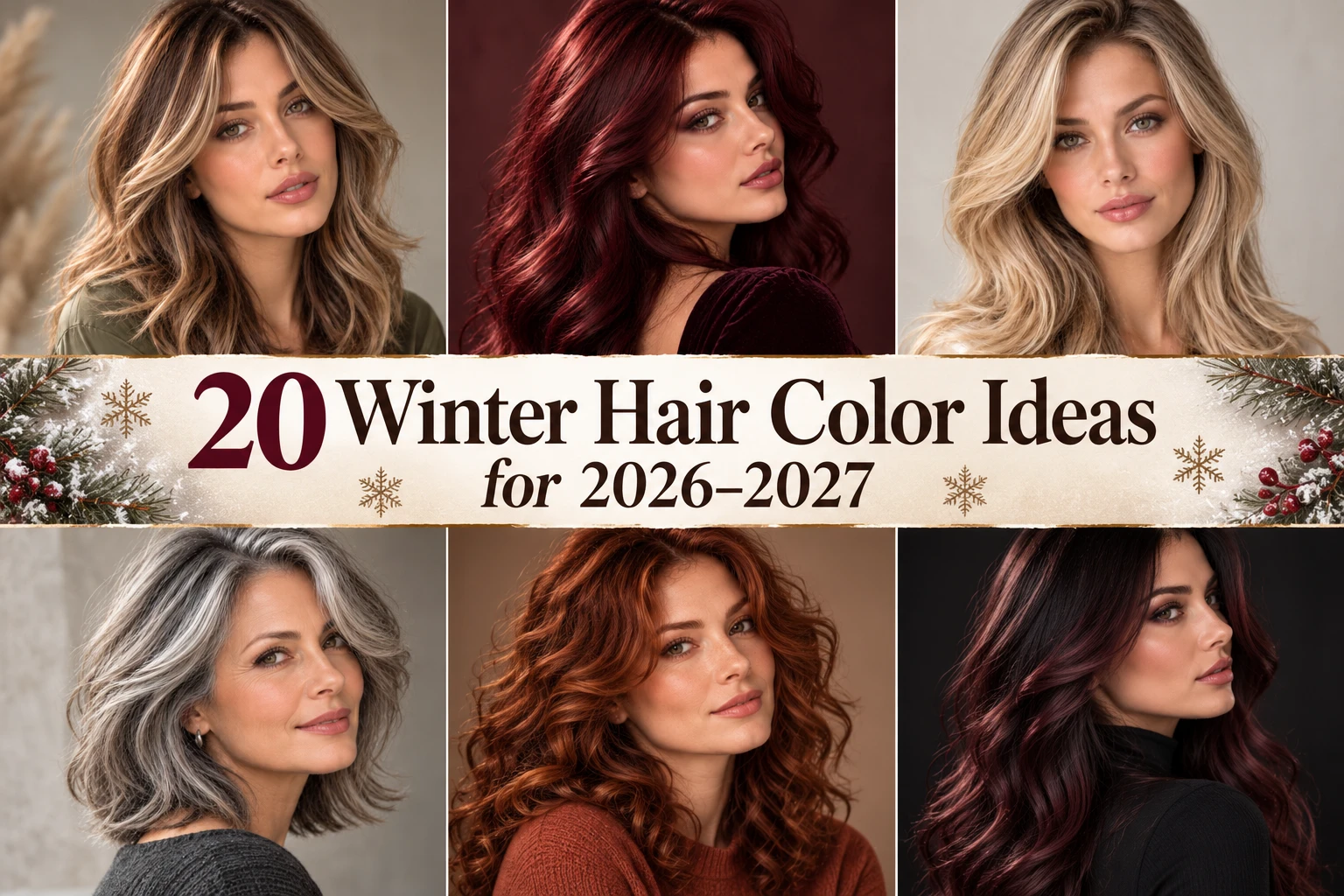
1. Glossy Espresso Brunette
Espresso brunette is a deep, coffee-inspired brown with a smooth, reflective finish. It is an excellent option if you want a darker winter look without committing to jet-black hair. The rich brown tones create depth, especially when styled in long layers or polished waves.
For a naturally elegant result, ask your colorist for a neutral espresso shade that complements your existing color. A gloss may be enough to refresh already-dark hair, while lighter hair may require a more involved color service.
Best for: Anyone who loves rich brunette shades and understated luxury.
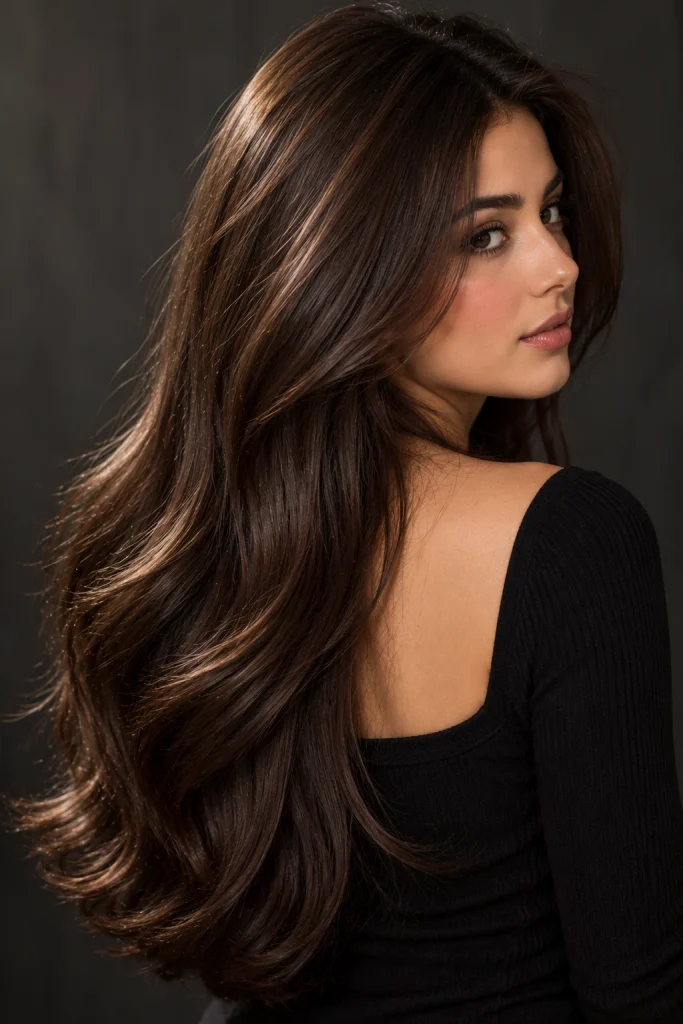
2. Cherry Cola Brunette
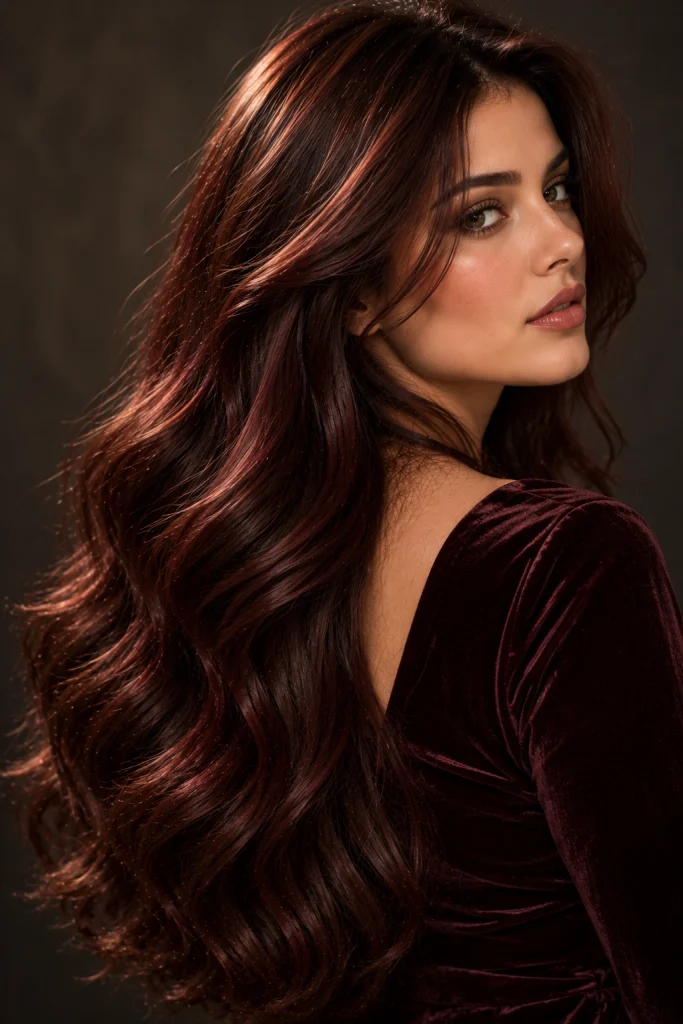
Cherry cola brunette combines a dark chocolate base with subtle burgundy and cherry-red reflections. The color can appear almost chocolate brown indoors and reveal its red tones under brighter lighting, making it a striking but wearable winter shade.
Long waves help show the variation between the darker roots and red-toned lengths. If you prefer a subtle transformation, ask for restrained cherry reflections instead of a vivid red finish.
Best for: Brunettes who want a deep, red-inspired color without going fully bright red.
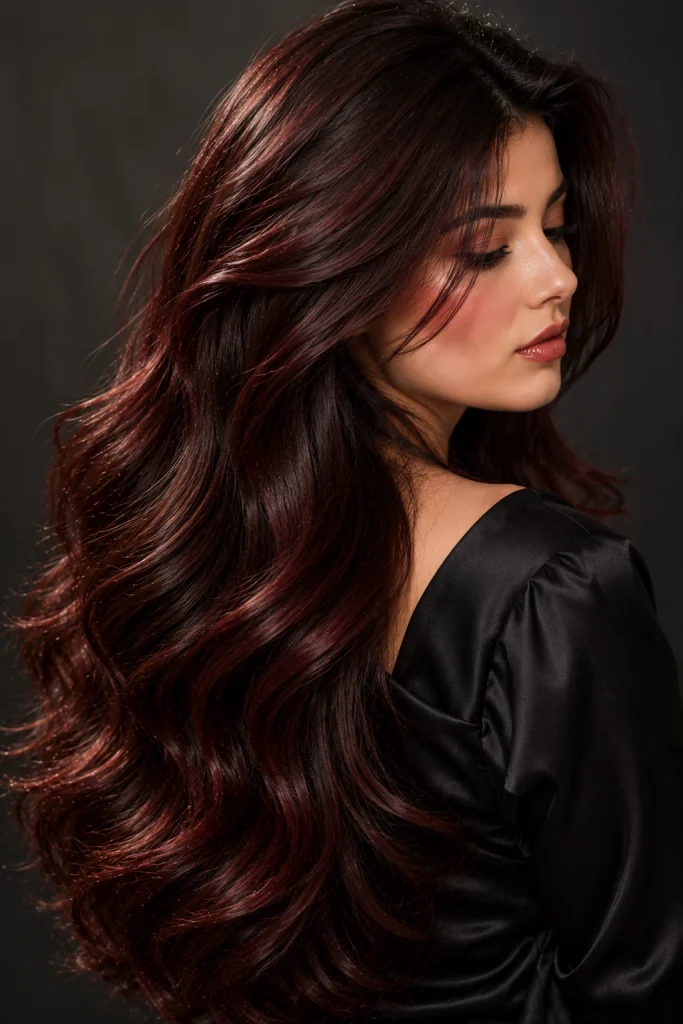
3. Cinnamon Copper
Cinnamon copper blends warm copper with a soft brown foundation. The result feels warm and dimensional without looking as bright as vivid orange copper. It works beautifully with layered cuts because the movement allows the copper and brown tones to catch the light differently.
You can ask for a muted cinnamon finish with more brown or a brighter copper shade if you want a more noticeable change.
Best for: People who love warm, earthy red tones.
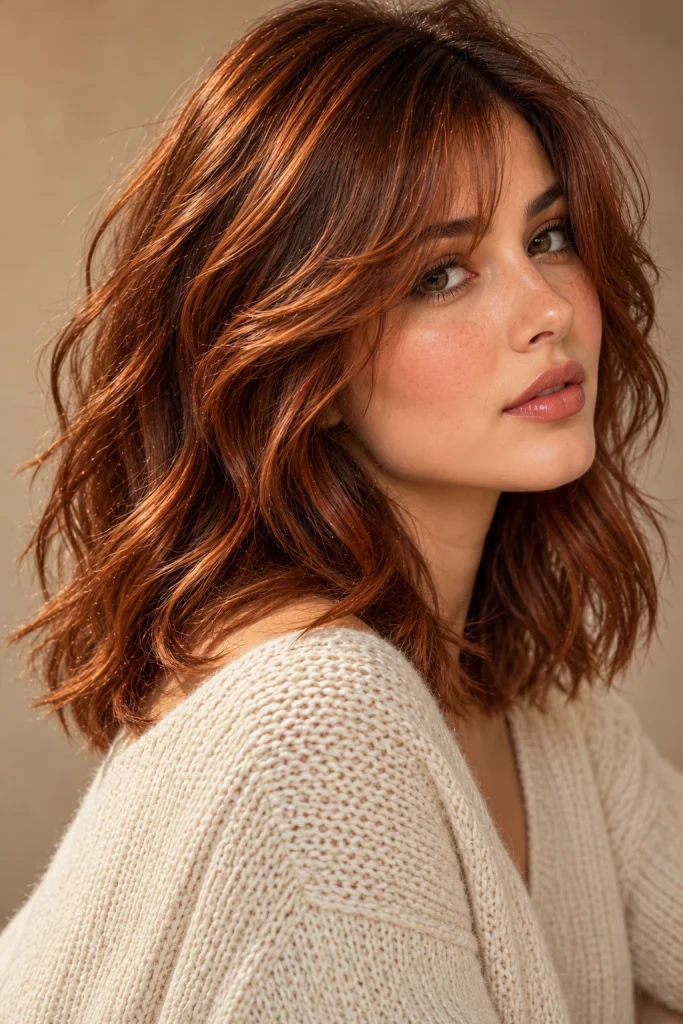
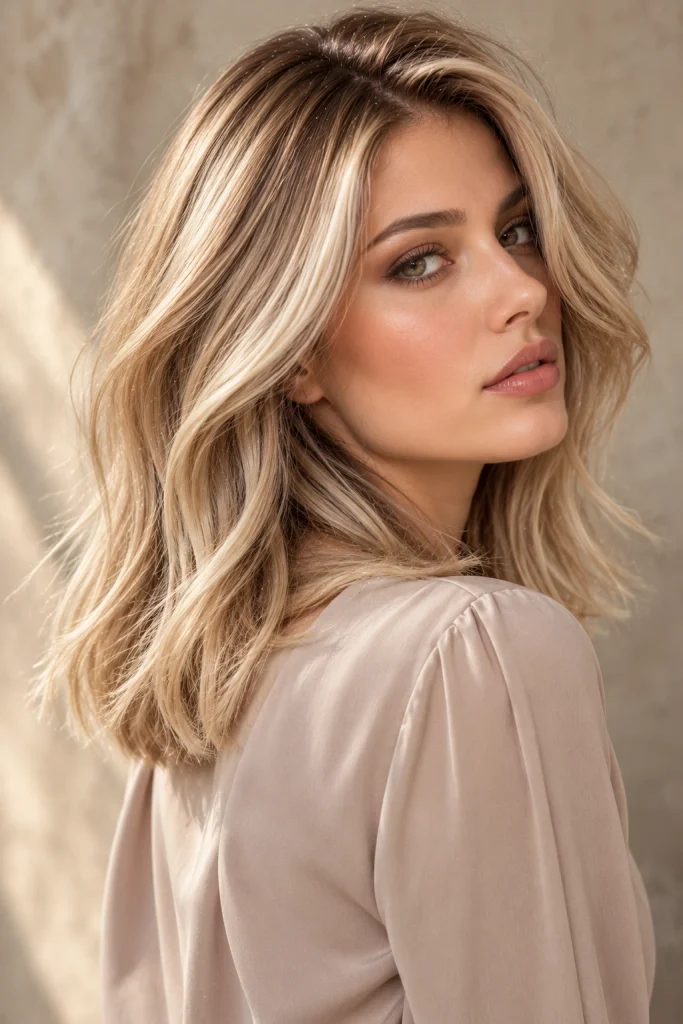
4. Creamy Beige Blonde
Creamy beige blonde balances cool ash and warm golden tones. It creates a soft, neutral blonde that feels polished without the stark appearance of platinum. Fine layers or loose waves can make the different blonde tones look more dimensional.
If you want a balanced result, ask your colorist for a beige blonde that avoids excessive yellow or gray. Bring a reference image taken in natural light to help communicate the finish you prefer.
Best for: Blondes who want a soft, neutral winter refresh.
5. Chocolate Cherry Hair
Chocolate cherry hair combines a rich brunette foundation with noticeable red-violet undertones. Compared with cherry cola, this look can lean more strongly toward a warm chocolate-red finish while retaining the depth of brown hair.
A softly layered cut helps the red reflections show through the lengths without making the color appear flat. Ask your colorist to adjust the intensity to suit your desired result.
Best for: Anyone who wants a rich brunette with a visible cherry tint.
6. Icy Platinum Blonde
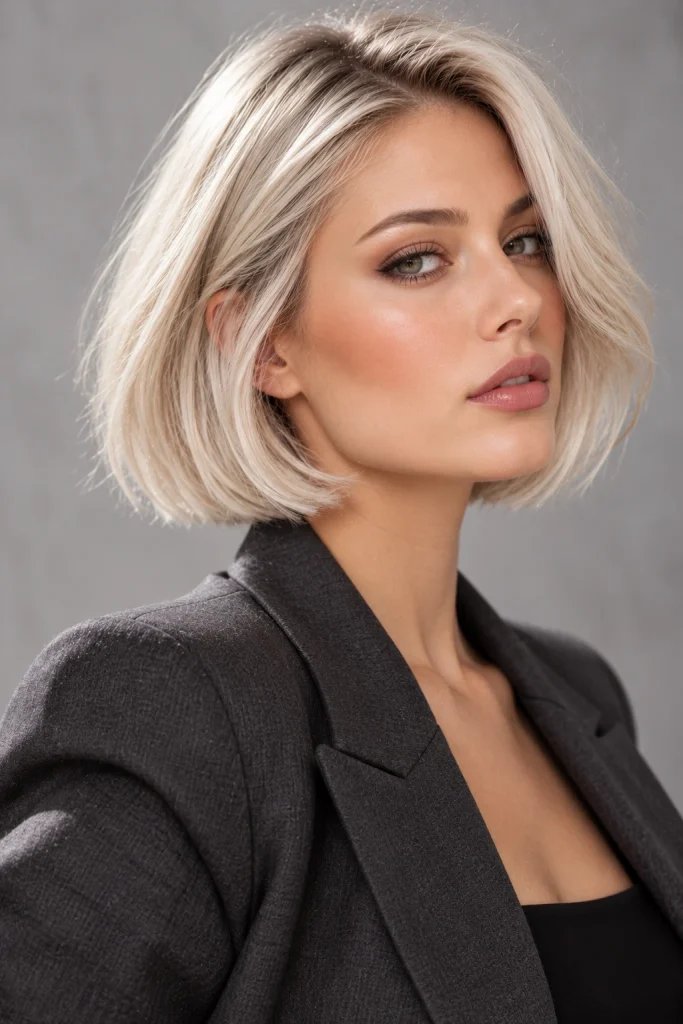
Icy platinum blonde is an exceptionally light, cool-toned shade that creates a dramatic winter look. It can look striking with a sleek bob, a textured pixie, or longer hair with minimal layers.
This color may require substantial lightening, especially if your starting hair is dark. Discuss the condition of your hair and a realistic lightening plan with your colorist before choosing this transformation.
Best for: Those who want a bold, cool blonde and are prepared for maintenance.
7. Mahogany Brown
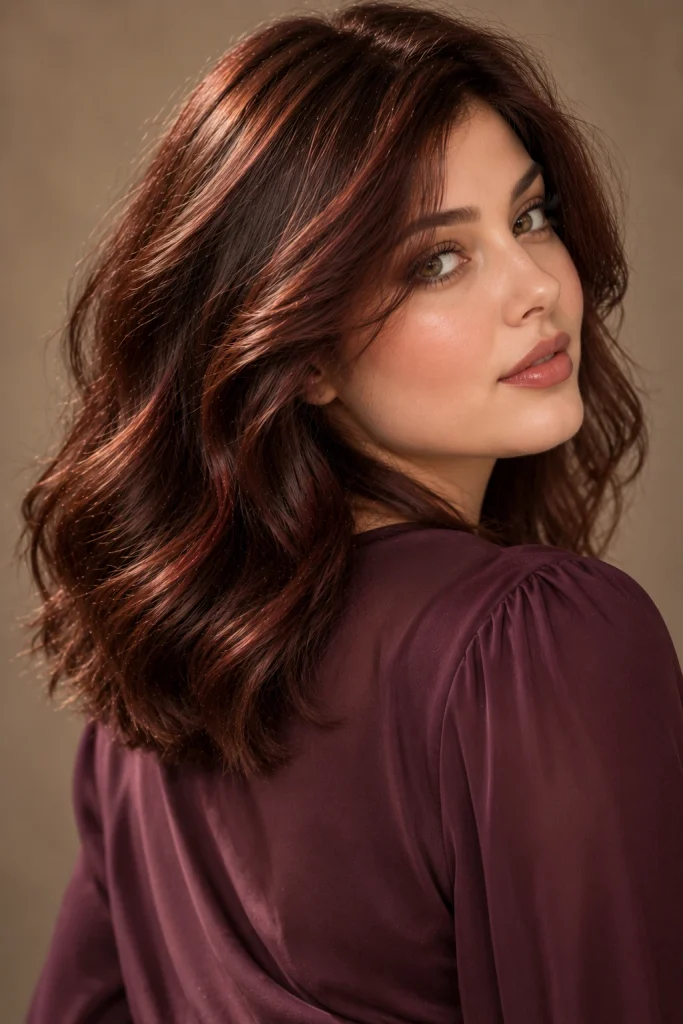
Mahogany brown is a deep brunette with subtle red-violet warmth. It offers a sophisticated alternative to brighter copper or red shades, particularly if you want a color that looks rich in both indoor and outdoor lighting.
The red undertone can be subtle or more pronounced depending on the formula. A mahogany gloss may be a useful option if your hair is already brown and you want a tonal refresh.
Best for: People who prefer deep, warm brunette shades with a hint of red.
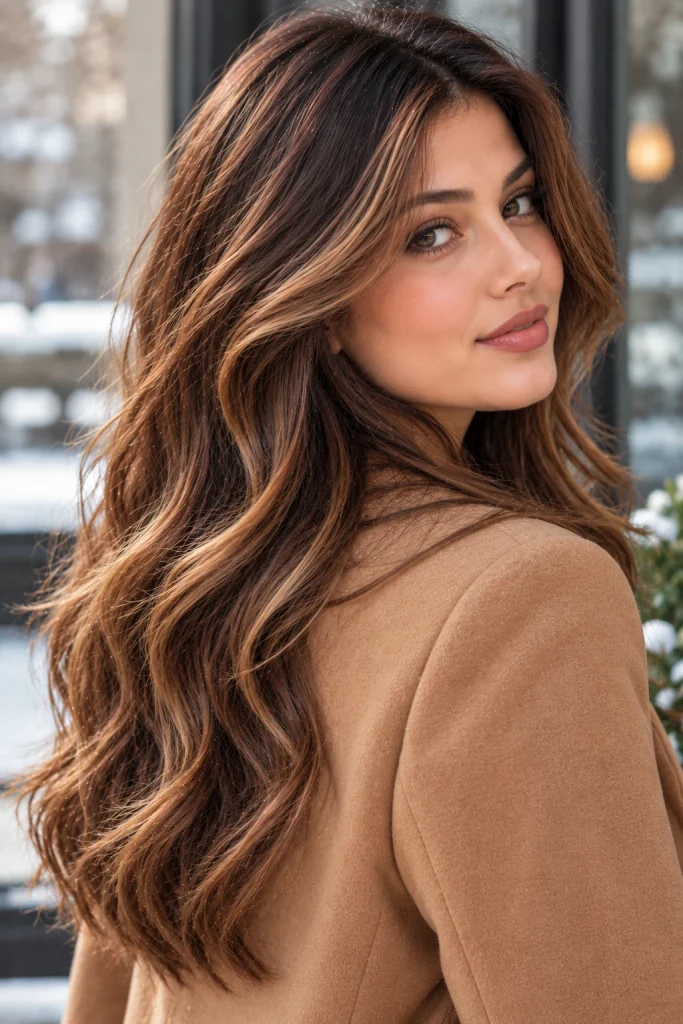
8. Caramel Balayage on Dark Brown Hair
Caramel balayage adds warm, lighter ribbons to a dark brunette base. Instead of coloring every strand, the lighter sections create dimension around the face and through the lengths.
This approach can offer a more gradual change than going fully blonde. Keeping the root close to your natural color may also make regrowth less noticeable.
Best for: Brunettes who want warmth and dimension without an all-over color transformation.
9. Winter White Blonde
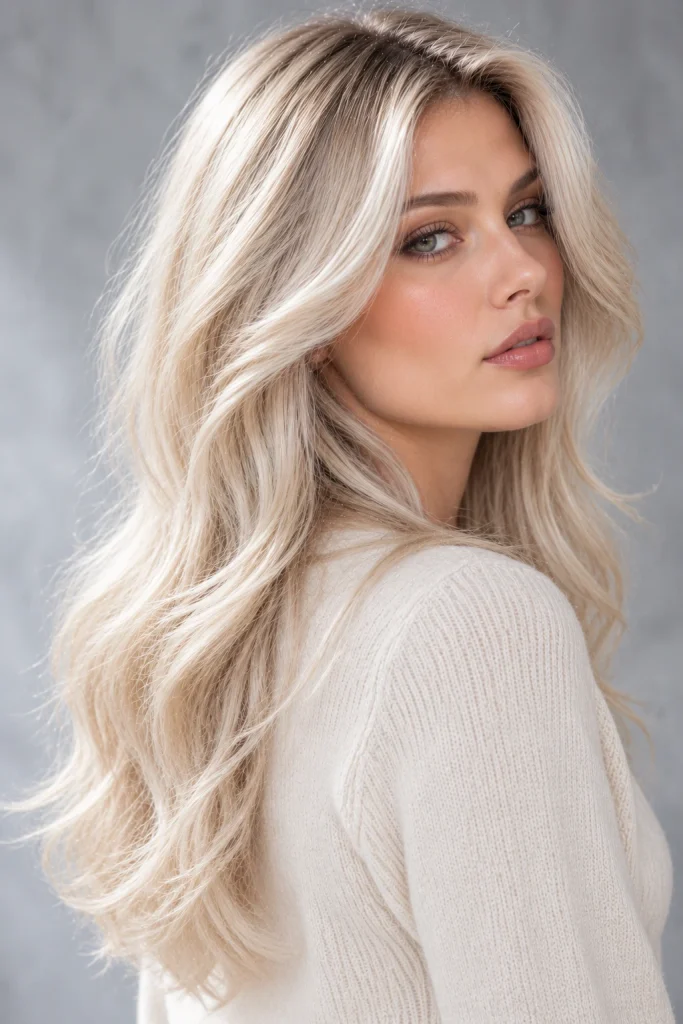
Winter white blonde is a very pale blonde with a clean, pearl-like finish. It is lighter and cooler than creamy beige blonde and can create an especially striking effect with smooth, long hair or a sharp bob.
Because the shade requires a very light base, it may be a better option for people who already have light hair. If you have darker hair, ask about a gradual transformation to protect its condition.
Best for: Those who love exceptionally light, cool blonde shades.
10. Toffee Brunette
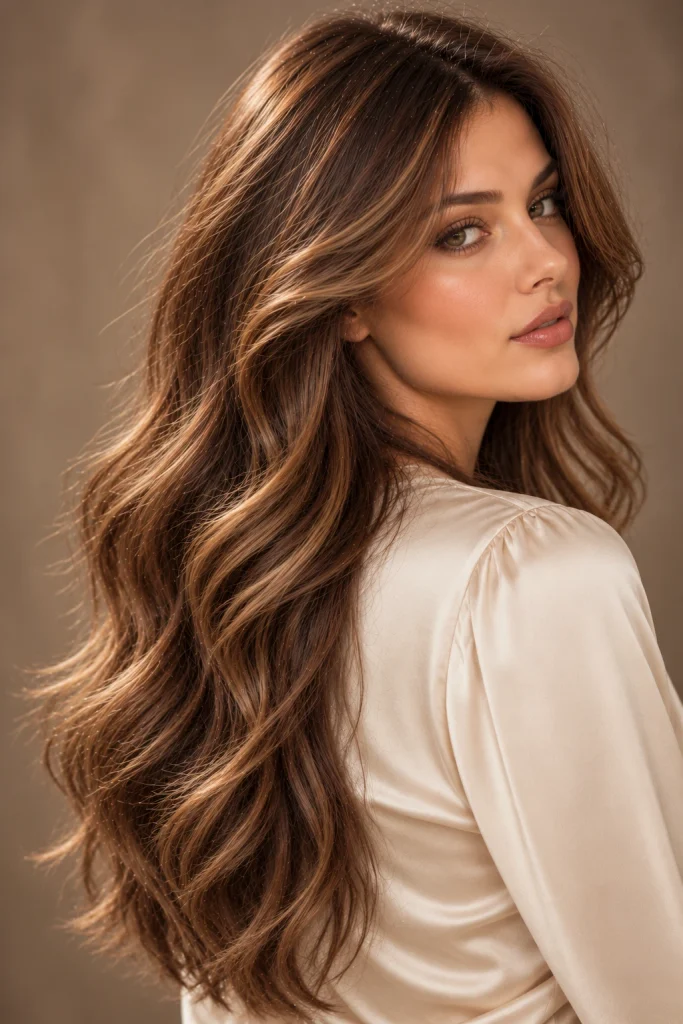
Toffee brunette is a warm brown shade with golden-brown undertones. It offers more warmth than espresso while retaining the depth of a brunette color. Subtle tonal variation gives the hair a soft, dimensional finish.
For a natural-looking result, choose highlights close to your base shade rather than a dramatic contrast. This is a lovely option if you want a small seasonal refresh instead of a complete transformation.
Best for: Anyone who wants a warm, natural-looking brunette.
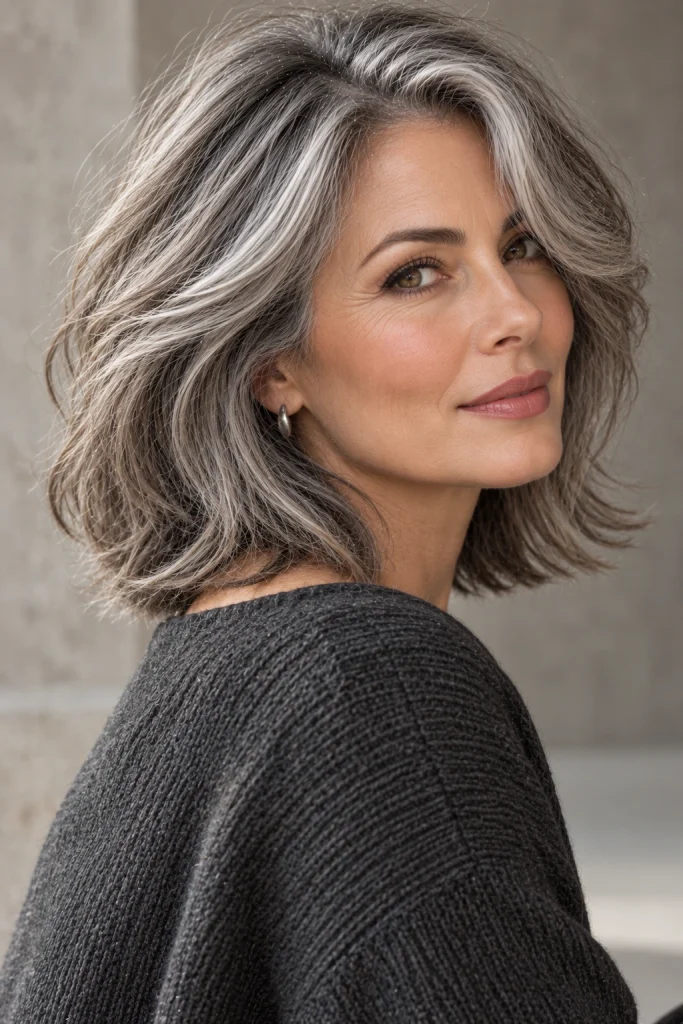
11. Smoky Silver
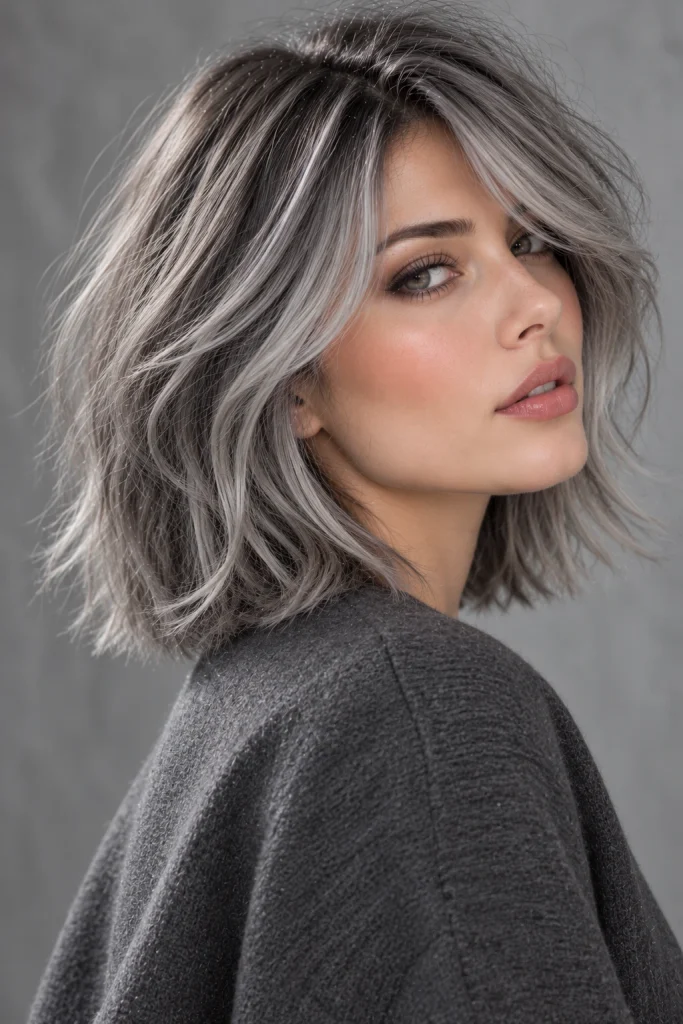
Smoky silver blends cool gray and silver with darker root depth. Rather than looking like a uniform metallic shade, it creates dimension through different levels of gray.
It can be an option for people who want a modern cool-toned color or are considering blending their natural gray. The exact approach depends on your current color and whether you want to lighten previously dyed hair.
Best for: Fans of cool, dimensional gray and silver tones.
12. Chestnut Brown
Chestnut brown is a classic warm brunette with subtle reddish-golden undertones. It is less dramatic than black cherry and softer than very dark espresso, making it a versatile winter color.
Long layers or a medium-length cut can bring out its warmth without requiring strong highlights. If your hair is already brown, a carefully chosen gloss may help refresh the color.
Best for: Anyone who wants a timeless brunette with natural warmth.
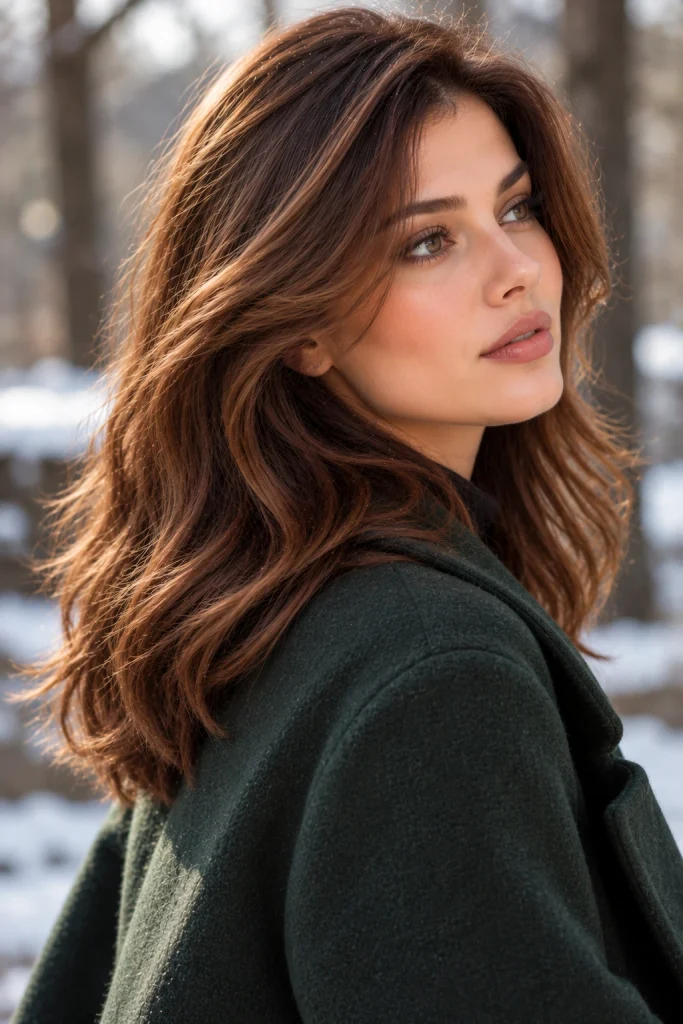
13. Honey Blonde with a Shadow Root
Honey blonde combines golden warmth with a darker root transition. The result is softer than a uniformly bright blonde and can create a natural-looking blend between the scalp and lighter lengths.
The root depth and highlight placement can be customized to your starting color. If you want a lower-contrast look, ask for fine golden highlights rather than broad, bright sections.
Best for: Blondes who want a warm finish and a blended root.
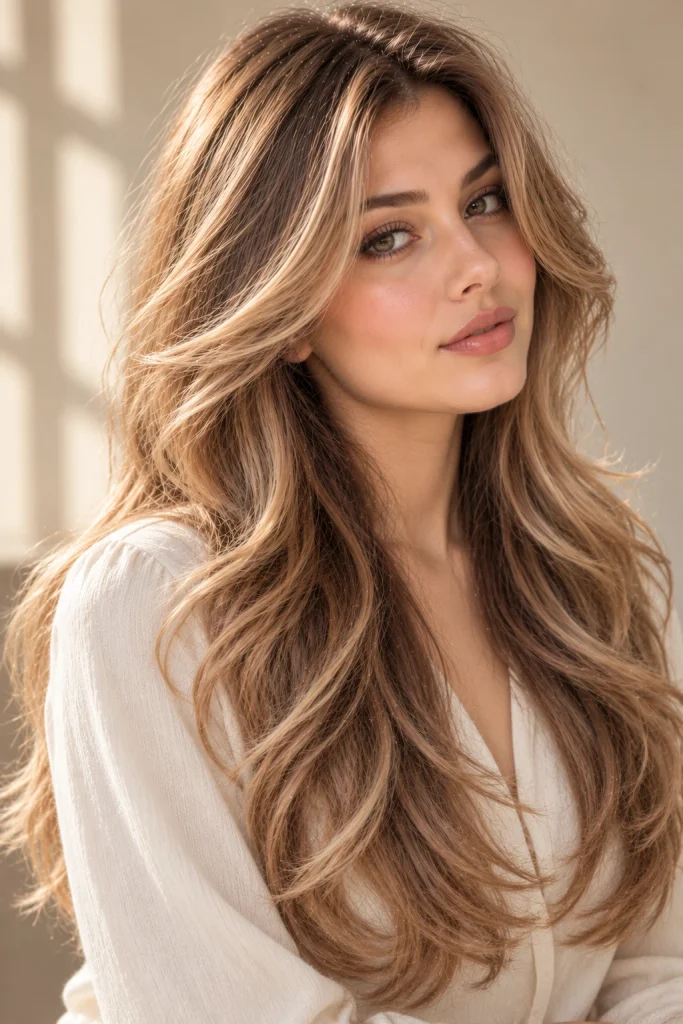
14. Black Cherry Hair
Black cherry hair combines a very deep brunette base with burgundy, plum, or red-violet reflections. It can appear almost black in dim lighting while revealing its color in brighter conditions.
This is a good option if you enjoy dramatic dark hair but want more color dimension than plain black. A gloss or carefully selected red-violet formula can help achieve the desired intensity.
Best for: People who prefer dark, moody hair colors with a subtle red-violet twist.
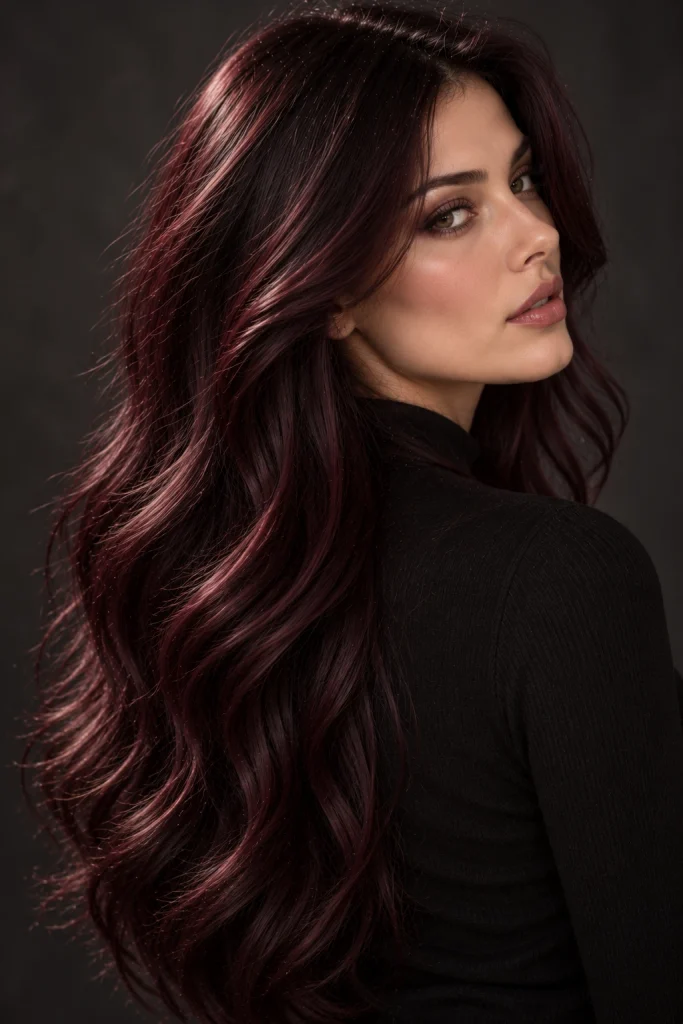
15. Mushroom Brown
Mushroom brown is a cool-neutral brunette with muted taupe and beige undertones. It is less golden than toffee brunette and less red than chestnut brown, creating a soft, understated appearance.
Fine highlights can help build dimension without making the hair look dramatically lighter. Ask your colorist to check the shade in natural light because cool brown tones can look different under warm indoor lighting.
Best for: Those who prefer subtle, cool-neutral brunette shades.
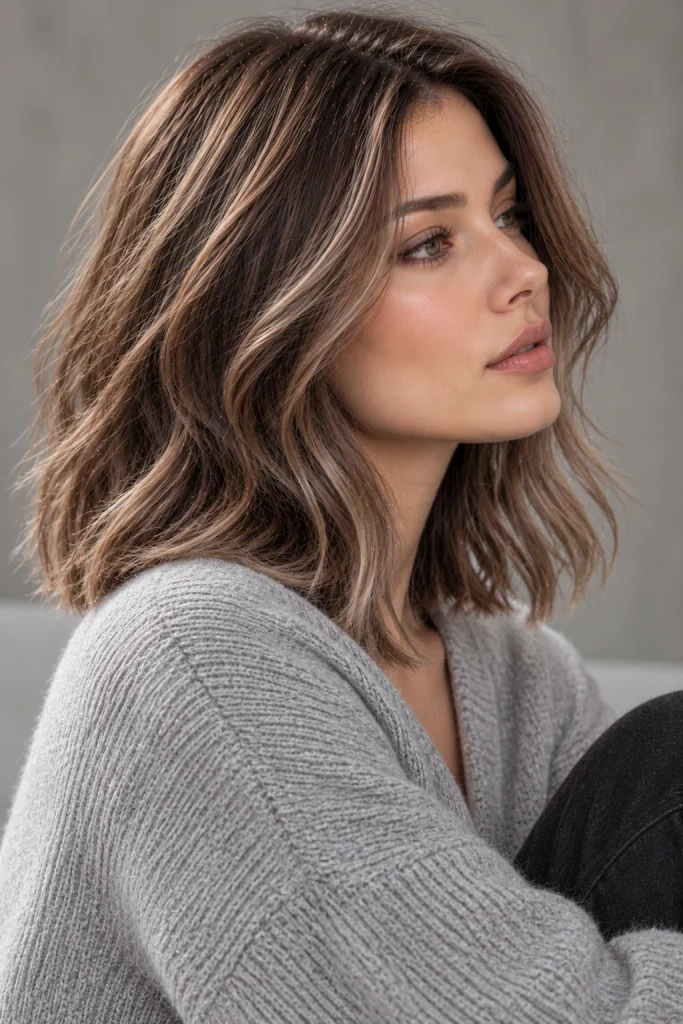
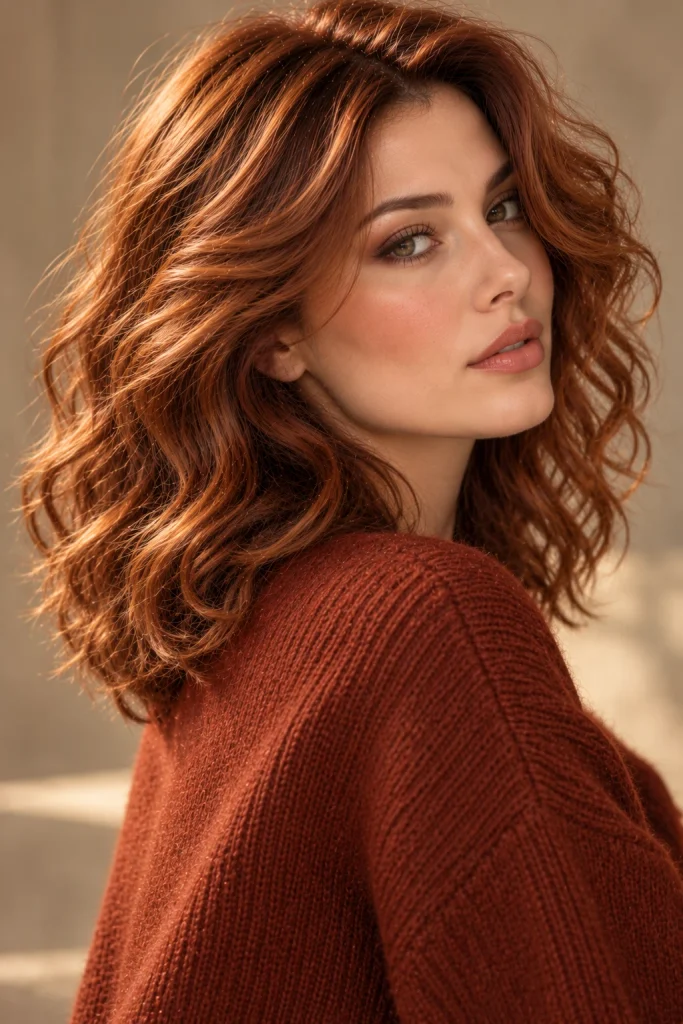
16. Copper Auburn
Copper auburn blends copper warmth with a deeper auburn-brown base. It offers a rich red-inspired result without the brightness of vivid orange copper.
This shade can be customized with fine copper accents or a more noticeable all-over color. Ask your colorist how the red pigments may fade from your existing hair color and which maintenance approach is appropriate.
Best for: Anyone who wants warm, dimensional red-brown hair.
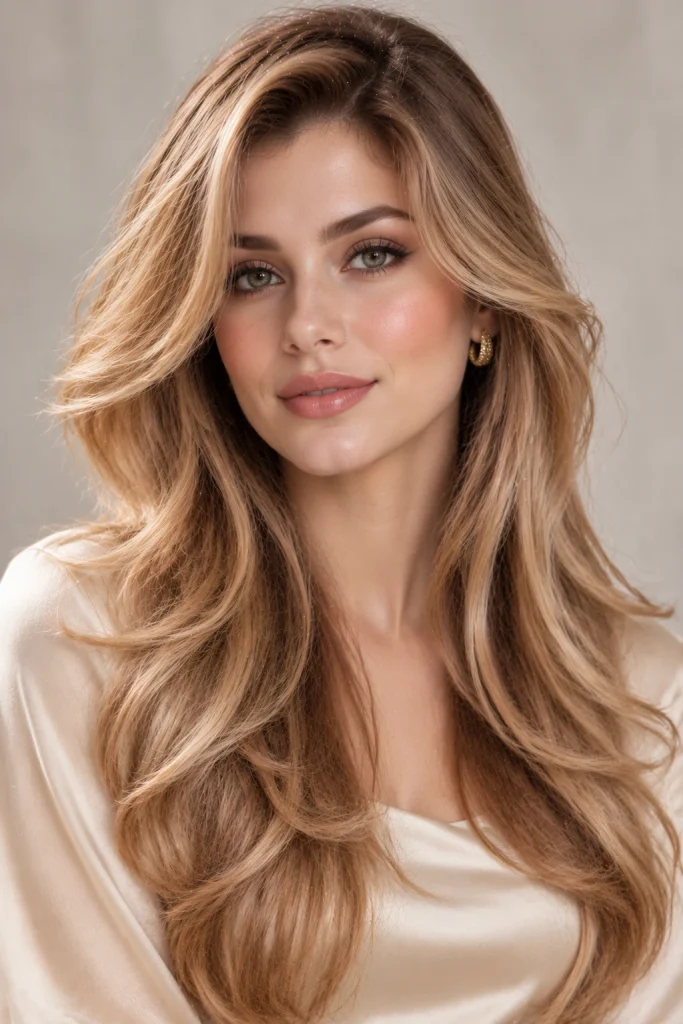
17. Champagne Blonde
Champagne blonde combines beige and muted golden tones to create a balanced, refined blonde. It is lighter than many brunette-based shades but softer than icy platinum.
A blended root and fine highlights can give this color a natural transition. The right balance of beige and gold depends on your existing hair and the finish you prefer.
Best for: Those who want a sophisticated neutral blonde.
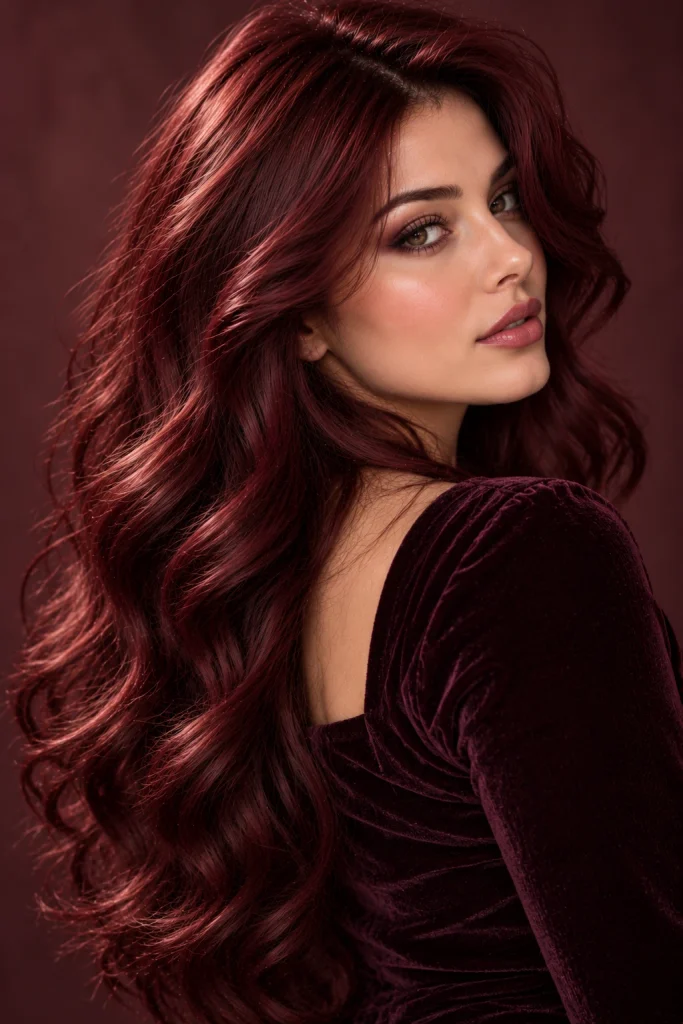
18. Deep Wine Red
Deep wine red brings rich burgundy and berry tones into a saturated, dramatic hair color. It is deeper than bright cherry red and more vivid than mahogany brown.
A smooth finish creates a polished appearance, while soft waves help the color reflect light through the lengths. If you want a wearable version, discuss a deeper wine shade rather than an intensely bright red.
Best for: Those who want a noticeable, rich red transformation.
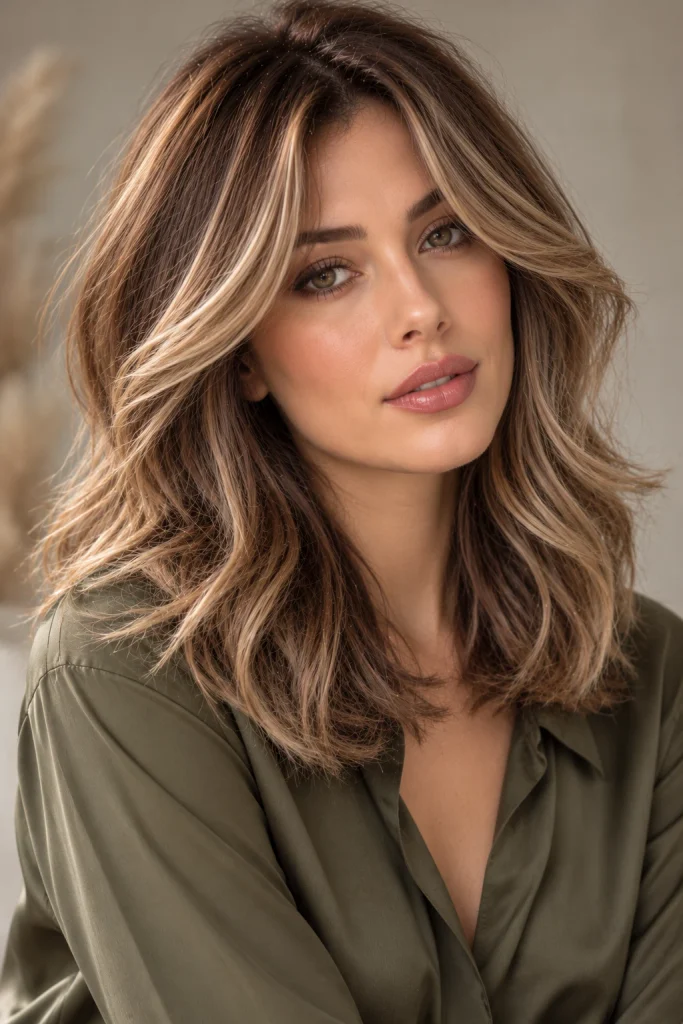
19. Bronde with Face-Framing Highlights
Bronde combines brunette and blonde tones for a balanced color between the two. A darker root and softly blended lighter lengths create dimension, while face-framing highlights bring brightness around the front.
This can be a useful option if you want to move gradually toward blonde without losing the depth of your natural brown hair.
Best for: Brunettes who want a softer, gradual transition toward blonde.
20. Natural Gray Blending
Natural gray blending works with existing silver strands instead of covering every gray hair with one uniform color. Fine highlights, lowlights, or tonal adjustments can soften the contrast between natural gray and previously colored hair.
The best approach depends on the amount of gray you have, your current color, and whether you want to grow out an older dye job. A consultation can help establish a gradual plan.
Best for: Anyone who wants to embrace natural gray or soften the appearance of regrowth.
How to Choose the Best Winter Hair Color
Choosing among these winter hair color ideas is easier when you think about the look you want, your existing color, and the time you are willing to spend maintaining it.
Decide whether you prefer warm, cool, or neutral shades
- Warm shades: Cinnamon copper, chestnut brown, toffee brunette, honey blonde, and copper auburn.
- Cool shades: Icy platinum, winter white blonde, smoky silver, and mushroom brown.
- Red-inspired shades: Cherry cola, chocolate cherry, black cherry, mahogany brown, and deep wine red.
- Neutral shades: Espresso brunette, creamy beige blonde, champagne blonde, and bronde.
These categories are useful starting points rather than strict rules. Your personal style, natural coloring, and preferred contrast all matter.
Consider your face shape and haircut
Hair color is only one part of the final look. The haircut and placement of the color can change how the style frames your face.
- Oval faces: Many lengths and styles can work, from sleek bobs to long layers.
- Round faces: Longer layers, a side part, or vertical movement can create a more elongated visual effect.
- Square faces: Soft waves and curved face-framing layers can soften the appearance of the jawline.
- Heart-shaped faces: Curtain bangs, chin-length layers, and movement around the jaw can help balance the proportions.
- Long faces: Curtain bangs, side-swept fringe, and soft width around the cheeks can add visual balance.
These are styling suggestions, not strict rules. Hair texture, density, personal taste, and the way you style your hair every day are equally important.
Think about maintenance before choosing a color
A natural-looking brunette refresh or blended balayage may require less frequent root maintenance than a sharp platinum transformation or vivid red. However, upkeep varies with your starting color, growth rate, technique, and how quickly your chosen shade fades.
Ask your colorist about root touch-ups, glosses, toners, and suitable home-care products before committing.
How to Keep Winter Hair Color Looking Fresh
Winter conditions, indoor heating, hot water, and frequent heat styling can leave some hair feeling dry or rough. A consistent care routine can help colored hair look smoother and more polished.
- Choose shampoo and conditioner suited to your hair type and color service.
- Use a heat protectant before blow-drying or using hot tools.
- Avoid unnecessarily high styling temperatures.
- Use a conditioning mask when your hair needs extra softness.
- Follow your colorist’s recommendations for glosses and toners.
- If you have cool blonde or silver hair, ask whether a purple or blue shampoo is suitable for your specific shade.
- Avoid making major color changes at home if your hair has already undergone extensive lightening.
If your hair is fragile, prioritize its condition over achieving an extreme color in a single appointment.
Frequently Asked Questions
What are the best winter hair colors for 2026–2027?
Espresso brunette, cherry cola, chocolate cherry, cinnamon copper, creamy beige blonde, and smoky silver are useful options to explore. Choose according to your preferred color family, starting hair color, and maintenance needs.
Is darker hair better for winter?
No. Dark brunettes can create a rich seasonal look, but copper, champagne blonde, icy platinum, and silver can be equally appealing. The right choice depends on your personal style rather than the season alone.
What is the easiest winter hair color to maintain?
A shade close to your natural color, a subtle gloss, or balayage with a blended root may reduce the visibility of regrowth. Maintenance still depends on your hair growth, the amount of contrast, and the color technique.
Can I go from dark brown to icy blonde in one appointment?
It depends on your starting color, hair history, and condition. Major lightening may require multiple appointments. A professional colorist can assess your hair and suggest a realistic plan.
How do I choose between warm and cool hair colors?
Compare reference images in natural light and consider the shades you enjoy wearing. A colorist can help you refine the tone and placement, but you do not have to follow rigid undertone rules.
Final Thoughts
The best winter hair color ideas are the ones that suit your style, complement your preferred haircut, and work with the condition of your hair. Choose espresso or cherry cola for rich brunette depth, copper auburn for warmth, champagne blonde for softness, or smoky silver for a cool-toned transformation.
Save a few reference images that show both the color and the haircut you like. Discuss your starting color, desired maintenance, and hair condition with your colorist before making a major change. A personalized approach can help you find a winter hair color that feels fresh, flattering, and realistic to maintain.